Mobile Two Way Radios for Fleet and Dispatch Operations
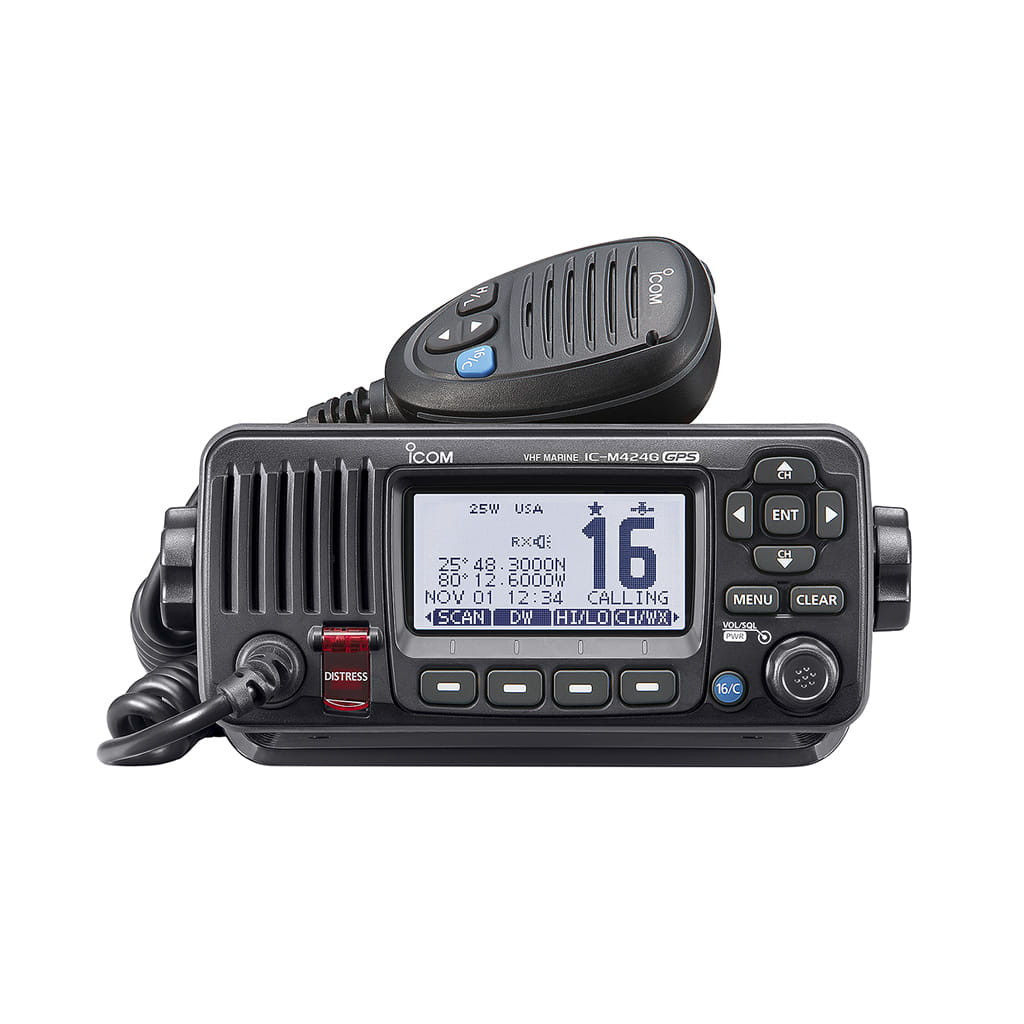
Mobile radios deliver significantly higher transmit power than handheld units - typically 25 to 50 watts. That translates to longer range, stronger signal across varied terrain, and reliable contact between vehicles and a dispatch point across large operational areas. The right radio configuration depends on the scale and structure of the operation - whether that's a delivery fleet, port ground operations, or centralized dispatch.
AXDIGITAL LLC is a direct U.S. supplier of Hytera, Motorola Solutions, and Icom mobile radios. We configure vehicle-mounted and base station units to work as an integrated system, supplied as genuine units with manufacturer warranty and technical support.
Who Uses Mobile Two Way Radios
Mobile radios are the standard communication solution for operations where teams are in motion, distances are long, and instant coordination with a central point is operationally critical.

Transportation and Delivery Fleets
Drivers covering routes across a city or region need consistent contact with dispatch regardless of distance or terrain. Vehicle-mounted VHF or UHF radios – connected to an external roof antenna – maintain reliable push-to-talk contact at ranges that far exceed any handheld unit. A base station at the dispatch center completes the communication loop, giving coordinators a fixed, high-power point of contact with the entire fleet.
Logistics, Warehousing, and Distribution
Large distribution facilities often combine portable radios for floor staff with mobile units on forklifts, yard trucks, and loading dock vehicles. Mobile radios on heavy equipment handle the power demands and vibration of industrial vehicles better than handheld alternatives, and connect directly into the same repeater infrastructure used by the broader facility radio system.
Construction and Site Operations
Superintendents and site managers moving between zones, equipment operators in cabs, and project coordinators at a site office require a radio setup that covers the full perimeter of an active job site. Mobile units in vehicles and a base station at the site office provide the backbone communication layer, while portable radios handle individual worker coverage.
Seaports and Airport Ground Operations
Port terminals and airfield ground operations require coordinated communication across large outdoor areas with active vehicle traffic. Mobile radios mounted in ground support equipment, tugs, and service vehicles keep operations synchronized with the control center. High ambient noise in these environments makes the external speaker and remote microphone configuration of a mobile radio a practical advantage over handheld alternatives.
Vehicle-Mounted Radios and Base Stations as a System
Mobile radios are most effective when vehicle units and a fixed base station operate together on the same channel plan. The base station – powered from a standard AC outlet – provides a stationary high-power point for dispatch or a central coordinator. Vehicle-mounted units connect to an external antenna for maximum range. Both operate on the same frequencies and programming, allowing direct communication between drivers and the control point without routing through a repeater where coverage permits.
For operations that span greater distances or areas with terrain obstruction, adding a repeater extends system coverage significantly. AXDIGITAL LLC designs the full configuration – base station, vehicle units, and repeater infrastructure - as a single, integrated system specific to your operational geography.
UHF and VHF Mobile Radios – Which Frequency Fits Your Operation
Frequency selection for mobile radios follows the same logic as portable units, but the distances and environments involved make the choice more consequential.

VHF (136–174 MHz) is the standard for outdoor fleet operations – transportation, construction, and open-area logistics. VHF signals travel farther in open terrain and are less attenuated by distance in rural or semi-urban environments.
UHF (400–512 MHz) is the better choice for operations that include significant time in urban environments, inside buildings, or across mixed indoor-outdoor routes. UHF penetrates structures more effectively, making it practical for fleets that regularly enter warehouses, parking structures, or loading facilities.
Where a fleet operates across both environments consistently, we evaluate the specific routing and facility types to determine whether UHF, VHF, or a dual-band configuration delivers the best coverage without dead zones.
Analog and Digital Mobile Radios
Digital DMR mobile radios offer measurable operational advantages for fleet and dispatch applications specifically. Digital audio maintains quality at the edge of range – where analog signals degrade to noise, a digital signal holds until it drops entirely. For dispatch operations monitoring multiple vehicles simultaneously, DMR supports separate talk groups on a single frequency pair, reducing channel congestion without requiring additional licensed frequencies.
Analog mobile radios remain fully viable for smaller fleets operating within a defined geographic area with existing analog infrastructure. They integrate directly with most repeater systems currently in use and carry a lower per-unit cost for operations where digital features are not operationally necessary.
AXDIGITAL LLC carries both analog and digital DMR mobile radios from Motorola Solutions, Icom, and Hytera, and advises on the right standard based on your fleet size, geographic footprint, and existing radio infrastructure.
Direct Supplier – Mobile Two-Way Radios from Hytera, Motorola & Icom
AXDIGITAL LLC supplies mobile two-way radios from Hytera, Motorola Solutions and Icom across the United States. A mobile radio system only works reliably across a fleet when it's configured correctly — frequency coordination, channel plan, CTCSS/DCS codes, and repeater integration. We program your radios to those parameters and confirm compatibility with your existing infrastructure before they ship.
Your radios arrive as genuine, factory-sealed units that carry the manufacturer's warranty, with original accessories. Our technical team stays available afterward for channel changes, added units as your fleet grows, and troubleshooting.


Frequently Asked Questions
Can mobile radios in our vehicles communicate directly with our existing portable handheld radios?
Yes, provided they operate on the same frequency band and channel programming. Motorola, Icom, and Hytera mobile and portable radios are compatible within the same brand family and in many cross-brand scenarios when operating on standard analog or DMR digital modes. We verify cross-compatibility with your current portable fleet before recommending specific mobile units, so drivers and field staff can communicate on the same system without additional infrastructure.
What is the realistic communication range of a vehicle-mounted mobile radio?
Range depends on transmit power, antenna installation, terrain, and whether a repeater is in the system. A properly installed 45-watt mobile radio with a roof-mounted antenna in open terrain typically achieves 15 to 25 miles of reliable communication in simplex mode - direct radio to radio. With a repeater, that coverage area expands significantly and can cover an entire metro region or large facility campus. We assess your specific geography and fleet routing to determine whether simplex operation is sufficient or whether repeater infrastructure is required.
Configure the Right Mobile Radio System for Your Fleet
Fleet and dispatch communication systems require more than selecting a radio model. Channel planning, antenna selection, base station placement, and repeater coverage all affect how well the system performs in daily operation. Our technical team works through these requirements with you before any hardware is specified.

Send your request and one of our team members will get back to you shortly.