
Aviation Two Way Radios for Airport and Ground Operations
Airport communication runs on two parallel systems. VHF airband radios handle ground-to-air contact between crew vehicles, FBO personnel, and aircraft on the movement area – operating on FAA-designated frequencies where correct equipment and proper authorization are non-negotiable. UHF portable radios coordinate the ground side: ramp agents, baggage handlers, gate staff, and maintenance teams working across the terminal and apron.
AXDIGITAL LLC is supplier for Icom – the primary manufacturer of VHF airband equipment for ground operations. All products are backed by manufacturer warranty and in-house technical support.
-
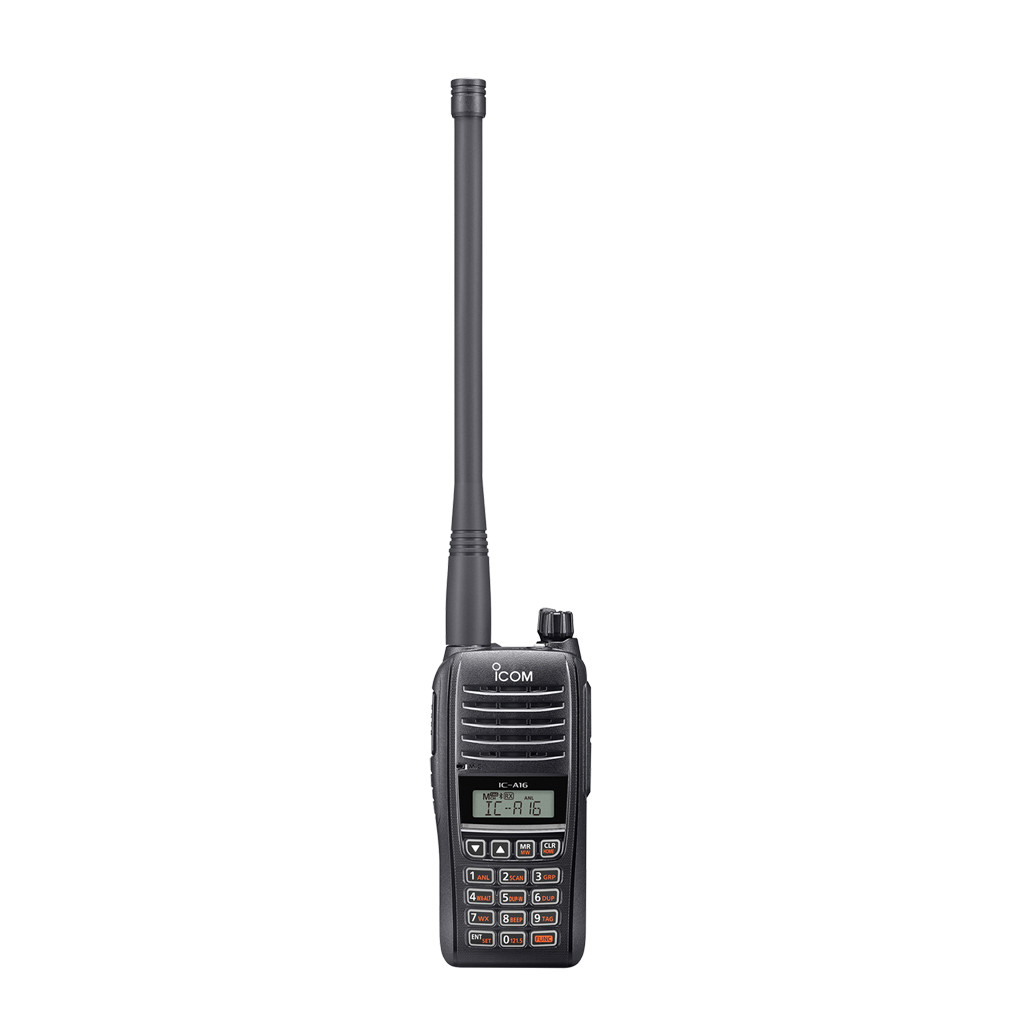 Icom IC-A16 VHF Airband Transceiver
349.00View more
Icom IC-A16 VHF Airband Transceiver
349.00View more -
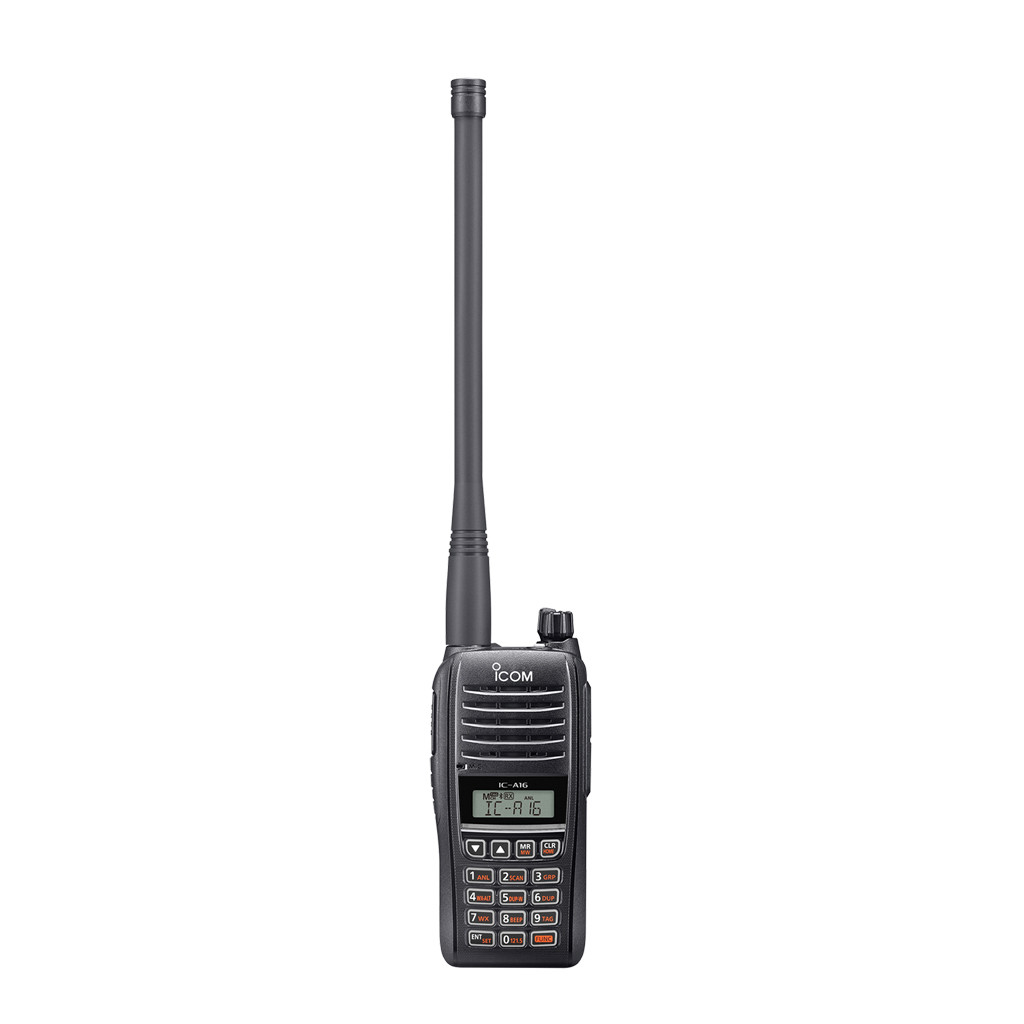 Icom IC-A16B VHF Airband Transceiver with Bluetooth
399.00View more
Icom IC-A16B VHF Airband Transceiver with Bluetooth
399.00View more -
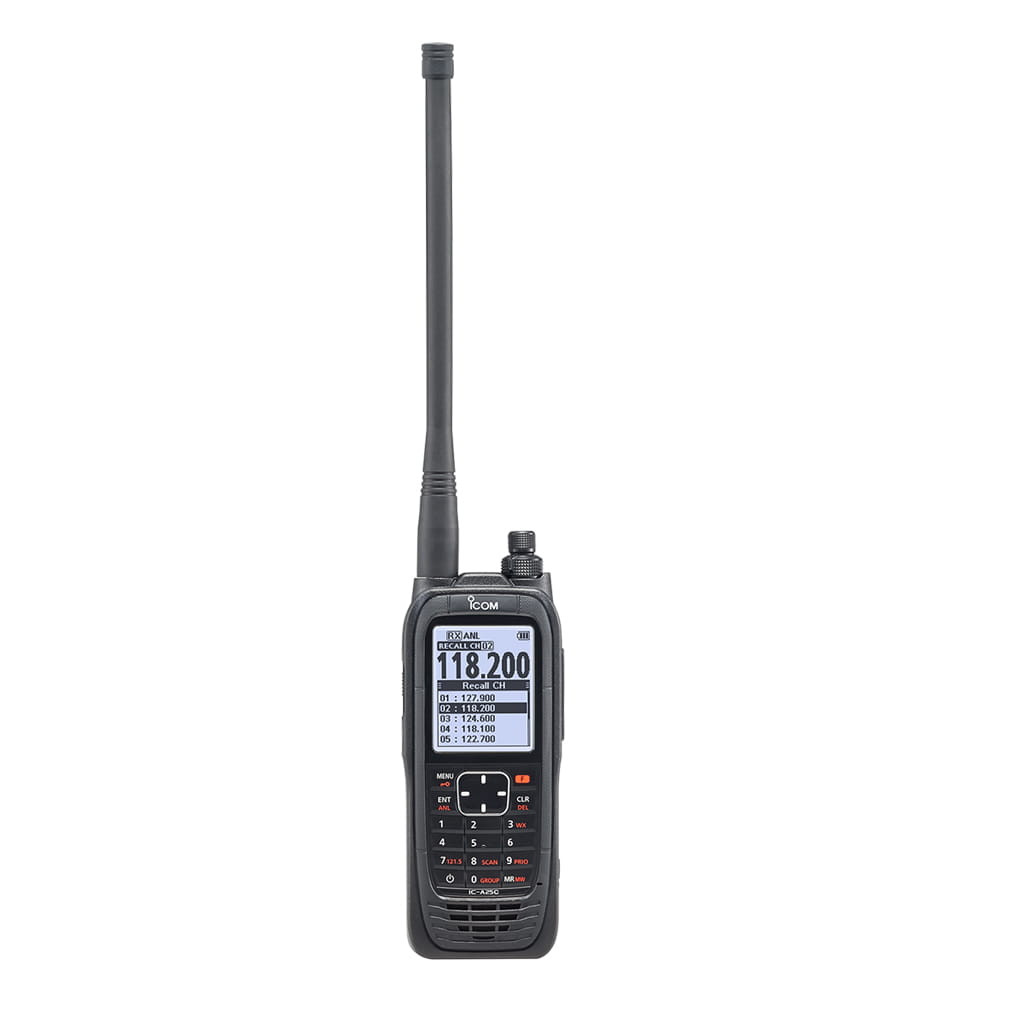 Icom IC-A25C Portable Handheld VHF
522.00View more
Icom IC-A25C Portable Handheld VHF
522.00View more -
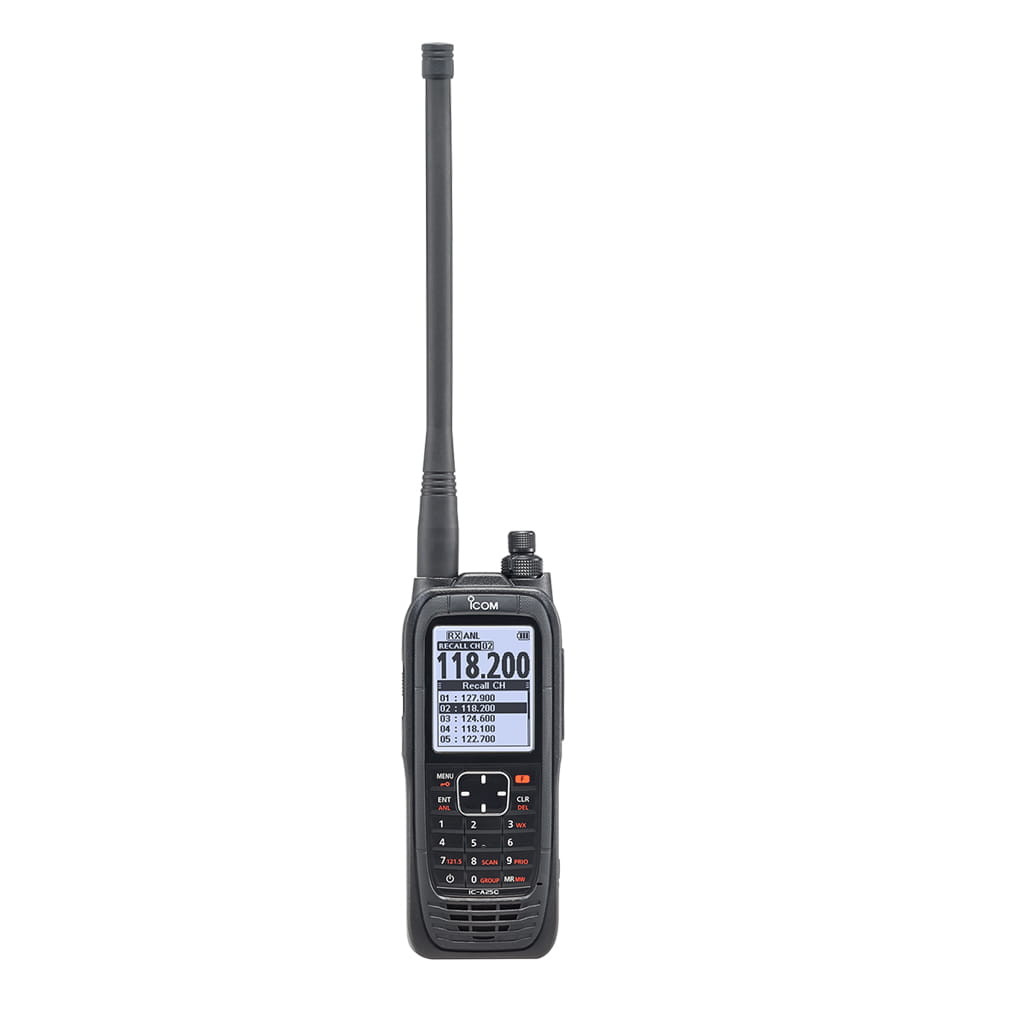 Icom IC-A25N Portable Handheld VHF
553.00View more
Icom IC-A25N Portable Handheld VHF
553.00View more -
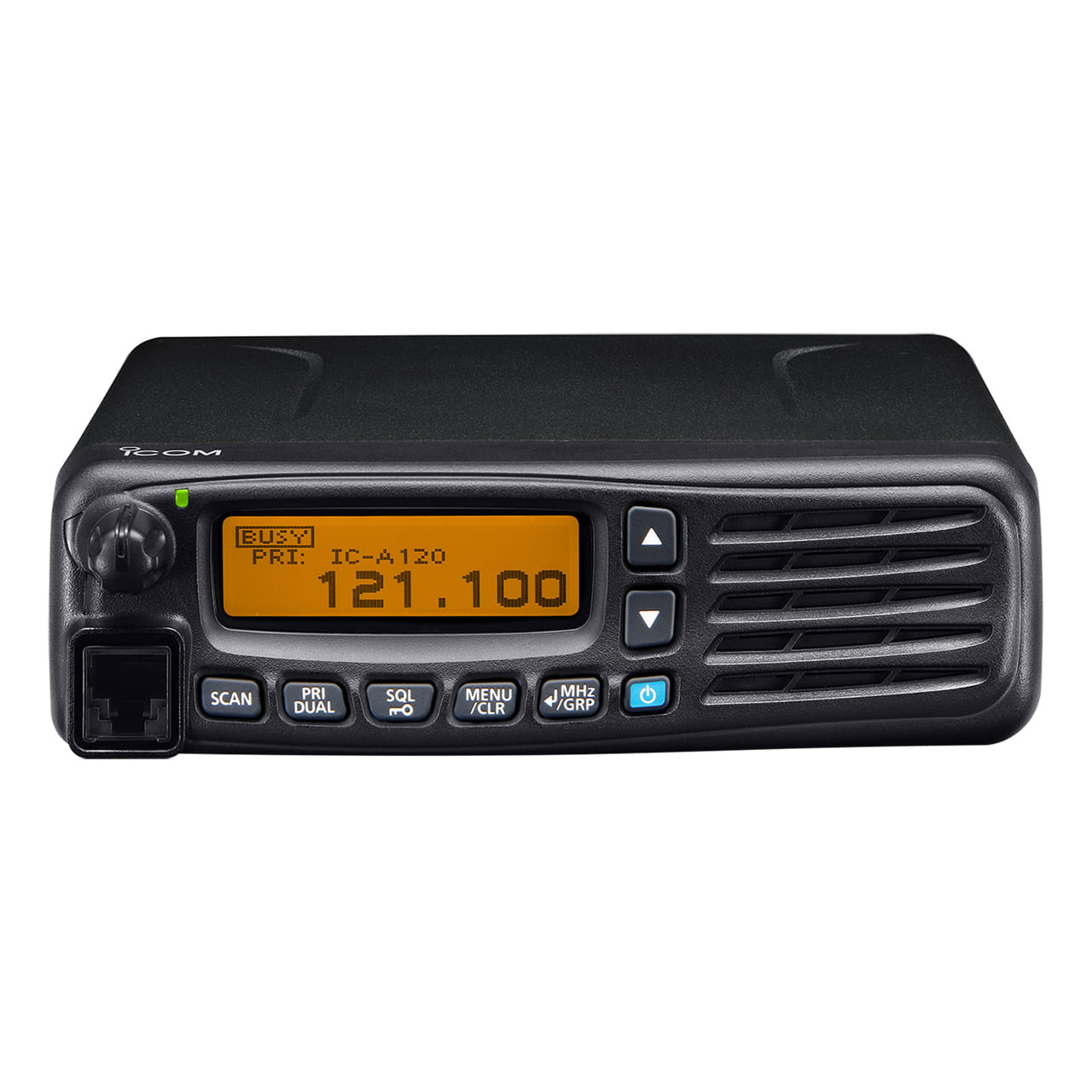 Icom IC-A120 VHF Aviation Transceiver
118.000–136.99166 MHz1,099.00View more
Icom IC-A120 VHF Aviation Transceiver
118.000–136.99166 MHz1,099.00View more
Who Uses Aviation Two Way Radios
Aviation radio requirements split clearly between two operational layers - airside communication with aircraft, and internal coordination among ground personnel.

FBO and Ground Support Operations
Fixed Base Operators and ground support crews working on the movement area require VHF airband radios to communicate directly with aircraft on approach, at the gate, or taxiing to the ramp. Icom vehicle-mounted airband transceivers are the standard for ground crew vehicles operating on active airfields – providing direct ground-to-air contact on FAA-designated frequencies with the audio performance needed in high-noise ramp environments.
Ramp Agents and Baggage Handling
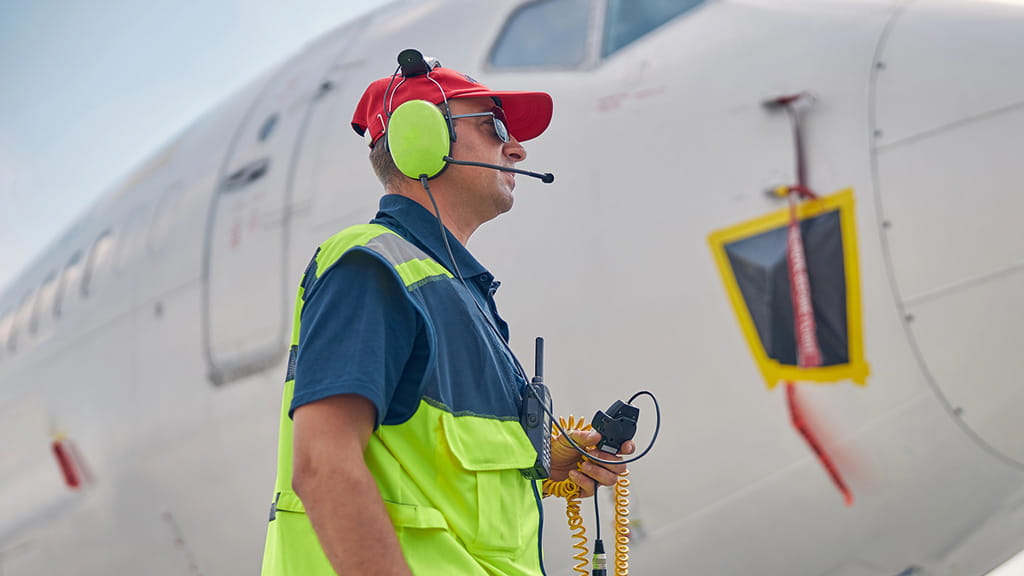
Ramp operations run on tight turnaround schedules. Baggage handlers, ramp agents, and loading supervisors coordinate aircraft pushback, cargo sequencing, and equipment positioning across the apron - all under jet engine noise conditions that exceed 100 dB. UHF portable radios from Motorola Solutions and Hytera, paired with noise-canceling speaker microphones or aviation-grade headsets, provide the reliable push-to-talk communication that keeps ramp operations on schedule without depending on cellular infrastructure.
Gate Agents and Terminal Operations
Gate agents, operations coordinators, and airline ground staff managing departures inside and around the terminal building use UHF portable radios for internal team communication. UHF penetrates the steel and concrete structures of terminal buildings effectively, supporting consistent coverage between gate areas, jetways, baggage claim, and operations offices on a single channel plan.
MRO and Maintenance Teams
Aircraft maintenance operations require reliable communication between technicians working on different areas of the aircraft, in hangar environments with significant RF obstruction from metal structures. UHF digital DMR portables support multiple talk groups – separating maintenance, inspection, and parts teams on independent channels – with audio clarity that holds in enclosed hangar conditions where analog signals degrade.
VHF Airband and UHF — Two Systems, One Operation
Understanding the distinction between airband VHF and standard UHF LMR radios prevents the most consequential equipment error in airport communication.
VHF airband radios (118–137 MHz) operate on internationally designated aviation frequencies allocated exclusively for aeronautical communication. They are used for ground-to-air contact: crew vehicles communicating with aircraft, FBO operations coordinating with pilots, and ground control communication in non-towered airport environments. Airband radios cannot be substituted with standard land-mobile VHF equipment — the frequency bands are separate, and transmitting on aviation frequencies with non-type-accepted equipment is a federal violation.
UHF portable radios (400–512 MHz) cover all internal ground coordination that does not involve direct aircraft communication. Ramp operations, terminal staff, security, maintenance, and logistics teams all operate on UHF LMR — the same professional-grade equipment used across other commercial verticals, configured to the specific channel plan and talk group structure of the airport operation.
Most airport ground operations require both. Icom covers the airband requirement; Motorola and Hytera cover the UHF ground coordination layer. AXDIGITAL LLC advises on the complete system and ensures the two components are correctly specified and independently configured.
Icom Aviation Radios — Handheld and Vehicle-Mount
Icom is the leading manufacturer of VHF airband communication equipment for ground operations in the U.S. market. The lineup covers three primary form factors for airport use.
Handheld airband transceivers give individual ground crew members portable ground-to-air capability – used by marshalling staff, fueling crews, and FBO personnel who need direct aircraft contact while moving on foot across the ramp.
Vehicle-mounted airband transceivers are installed in ground support vehicles, tugs, and crew transport operating on the movement area. Panel-mount units like the Icom IC-A120 provide full-power airband communication from the vehicle cab, with noise-canceling audio suited to high-ambient-noise ramp environments.
Base station airband transceivers are used at fixed positions – FBO operations desks, ground control rooms, and dispatch points – providing continuous monitoring of airband frequencies and direct communication with aircraft on the ground or on approach.
UHF Portable Radios for Airport Ground Staff
Motorola and Hytera UHF portable radios are the standard for airport ground personnel coordination in the U.S. The ramp environment places specific demands on radio equipment that go beyond standard commercial applications.
Jet engine noise at 100–140 dB makes audio clarity and speaker output critical. MIL-STD-810 rated chassis handle daily exposure to fuel, hydraulic fluid, rain, and physical impact on the apron. Digital DMR models support separate talk groups for ramp, baggage, gate, and maintenance teams operating simultaneously – without channel congestion – and enable private calling between supervisors and individual staff members.
For ramp agents and marshalling personnel working in direct proximity to running aircraft, radios are typically paired with aviation-grade noise-attenuating headsets that protect hearing while maintaining full push-to-talk functionality. AXDIGITAL LLC advises on compatible headset and accessory configurations for each radio model.
Icom Aviation Radios – U.S. Supply
 Browse Icom Aviation Radios
AXDIGITAL LLC is a direct U.S. supplier of Icom aviation radios. Aviation ground operations involve strict regulatory requirements and demanding physical conditions — equipment selection, frequency coordination, and system configuration need accurate specification from the outset.
We can advise on the right airband and UHF equipment for your operation type, program and configure each radio to your specifications, and supply genuine units with the manufacturer's warranty and in-house technical support.
Frequently Asked Questions
Do we need FAA authorization to operate VHF airband radios at our FBO or ground operation?
Yes. Transmitting on VHF aviation frequencies in the U.S. requires an FCC station license under Part 87 (Aviation Services). Ground stations and vehicle-mounted units operating on airband frequencies - including FBO operations and ground support crews - must be licensed, and only FAA-designated aviation frequencies may be used. Standard land-mobile VHF radios are not type-accepted for aviation frequency use and cannot legally transmit in the airband.AXDIGITAL LLC confirms the correct licensing path for your specific ground operation before any airband equipment is specified.
Can our ramp and gate staff use the same UHF radios as our facility's general operations team?
In most cases, yes - provided the radios meet the durability and audio requirements of the ramp environment. Motorola and Hytera UHF portables used across warehousing, logistics, and facility operations are the same platform deployed on airport ramps, configured with aviation-specific channel plans and talk group structures. If your operation already has an existing UHF LMR system, ramp staff can often be added to the same infrastructure with appropriate channel separation. We verify compatibility with your current setup before recommending expansion or new hardware.
What durability and audio specifications do ramp radios need to handle the airport environment?
For active ramp operations, we recommend a minimum of IP67 waterproof rating and MIL-STD-810 compliance for drop, shock, and temperature resistance - conditions routinely encountered on an airport apron. Audio output of 1 watt or higher is necessary to remain audible over jet engine and ground equipment noise without a headset. For personnel working in direct proximity to running aircraft, pairing the radio with a noise-attenuating headset rated for aviation ground use is the practical standard. We specify the complete radio and accessory configuration based on the specific roles and environments in your operation.
Specify the Right Aviation Radio System for Your Operation
Airband and UHF ground radio systems serve different functions and operate under different regulatory frameworks. Getting the specification right from the start prevents costly equipment changes and compliance issues. Our technical team works through your operation type, facility layout, and regulatory requirements before any hardware is recommended.

Send your request and one of our team members will get back to you shortly.