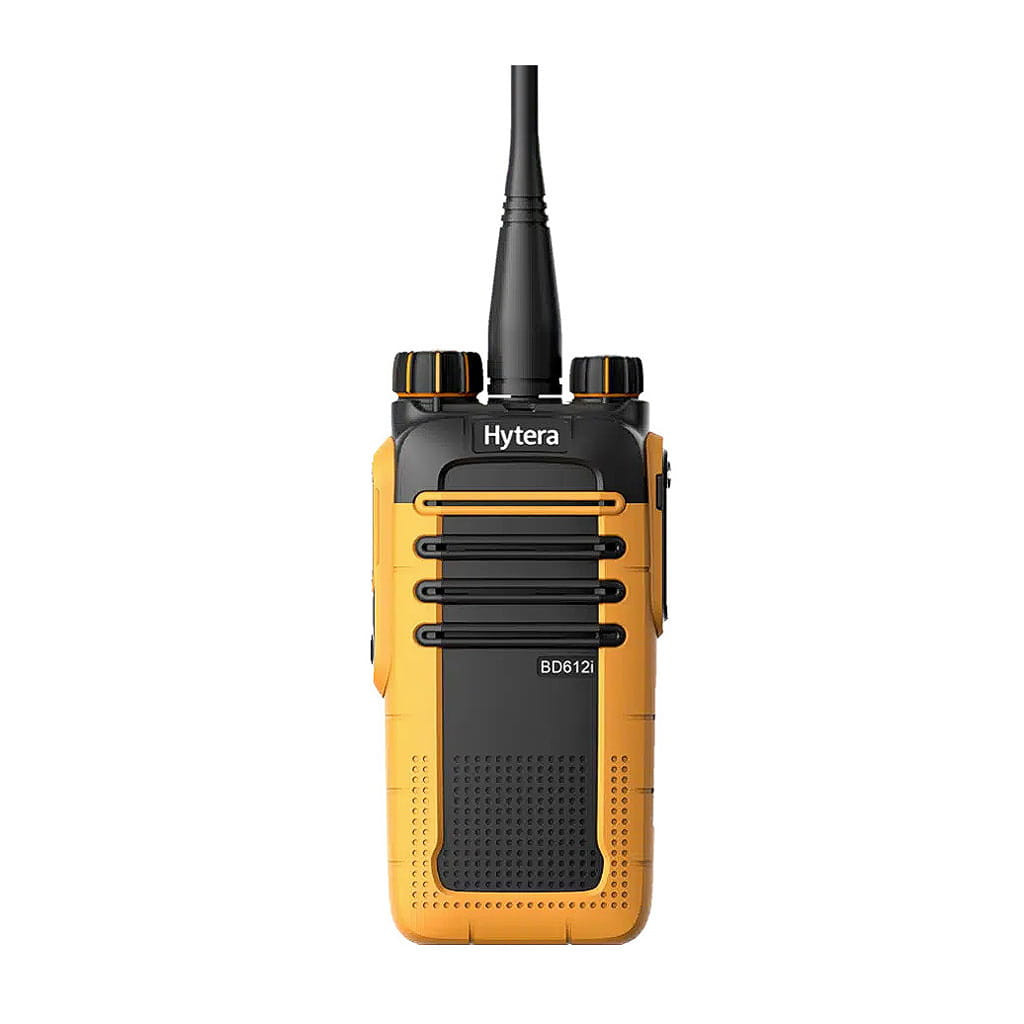
Hytera BD612i Rugged DMR Digital Portable Two-Way Radio (VHF 136–174 MHz)
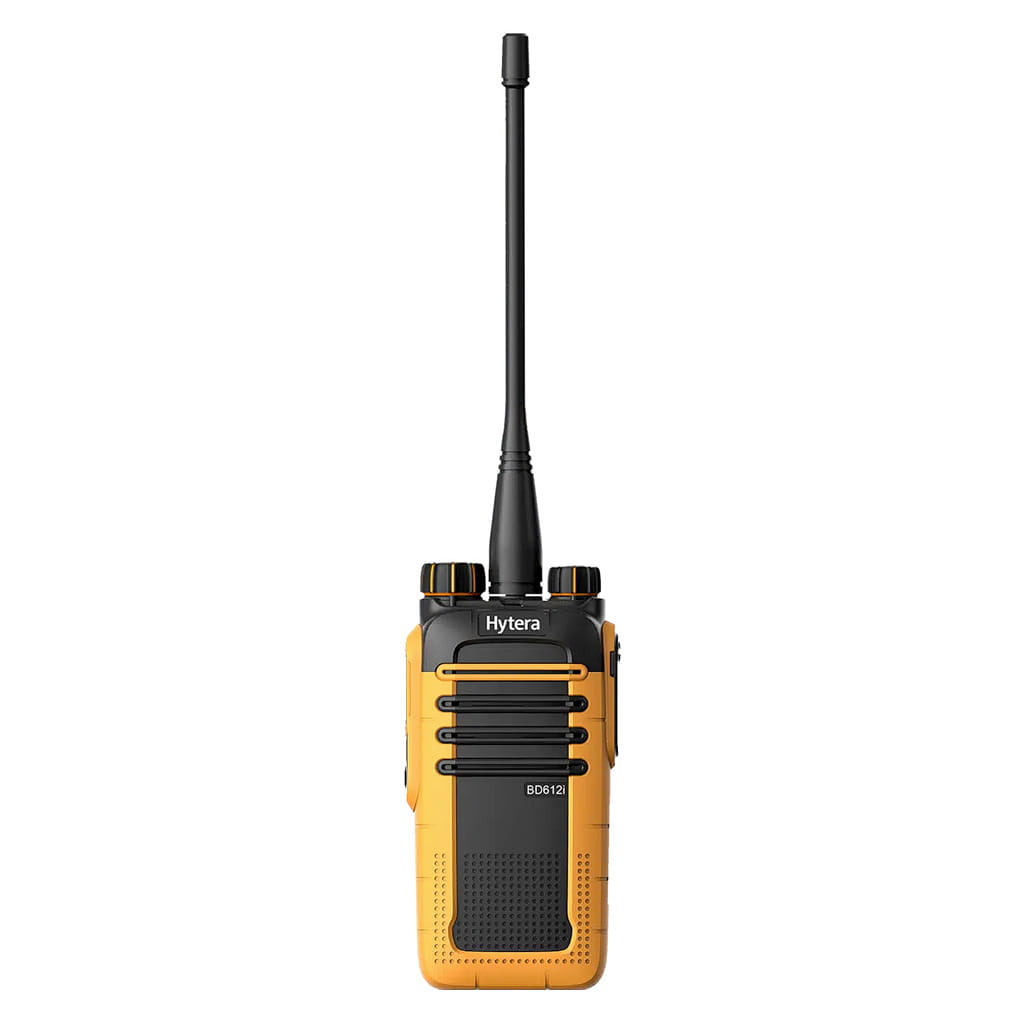
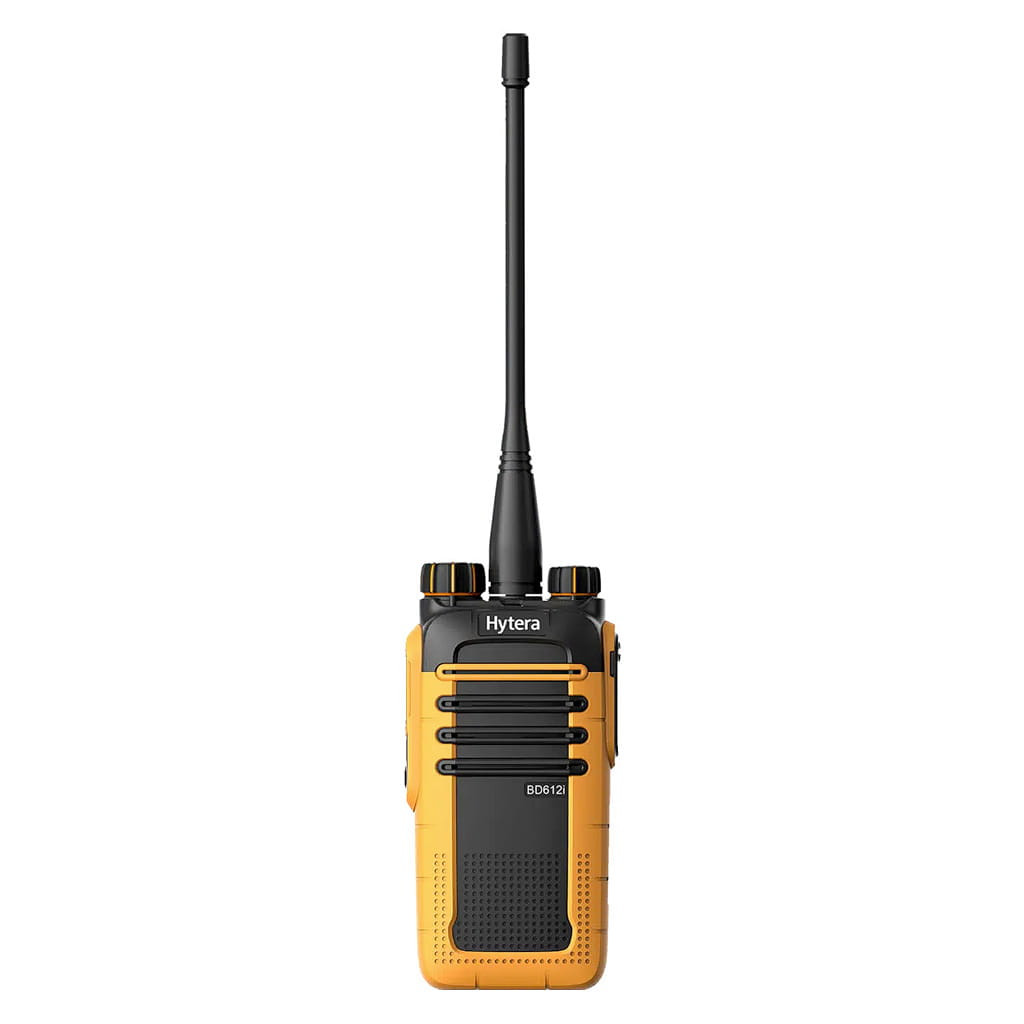
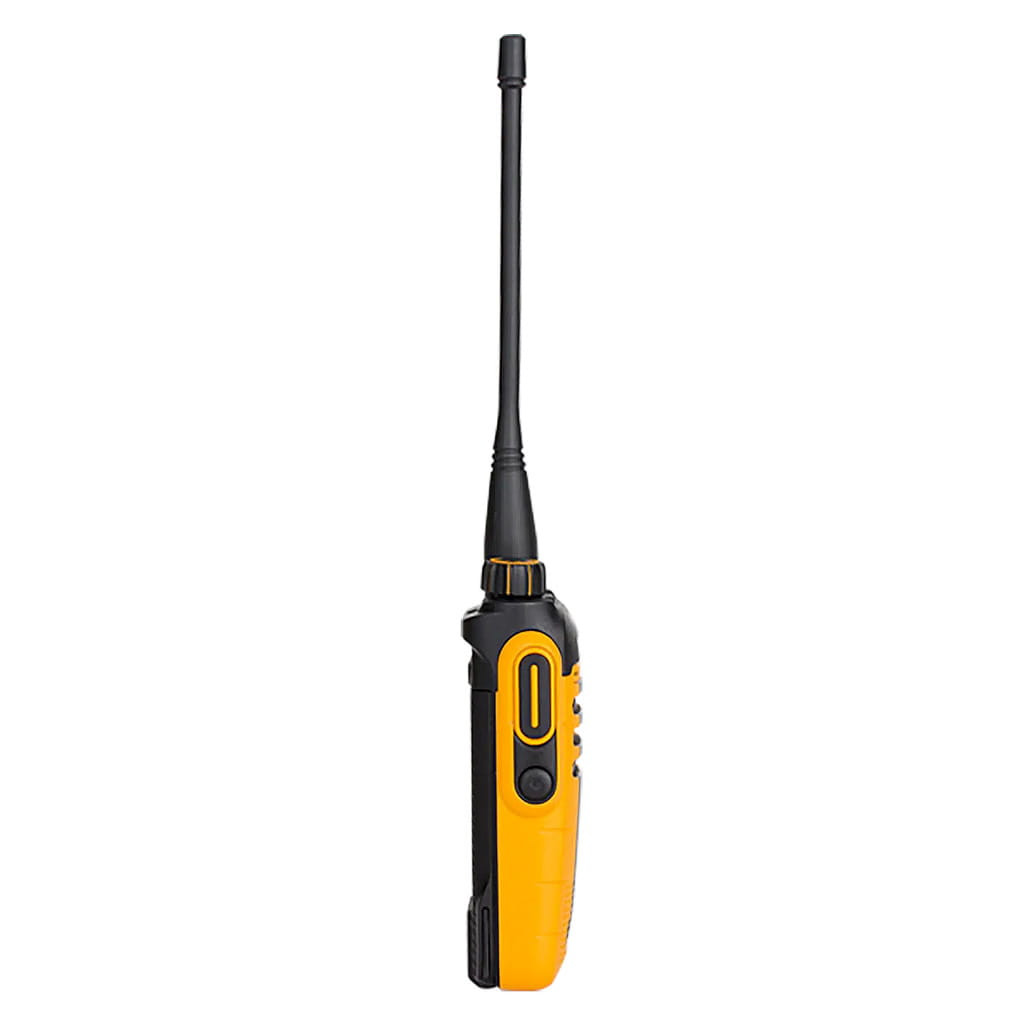
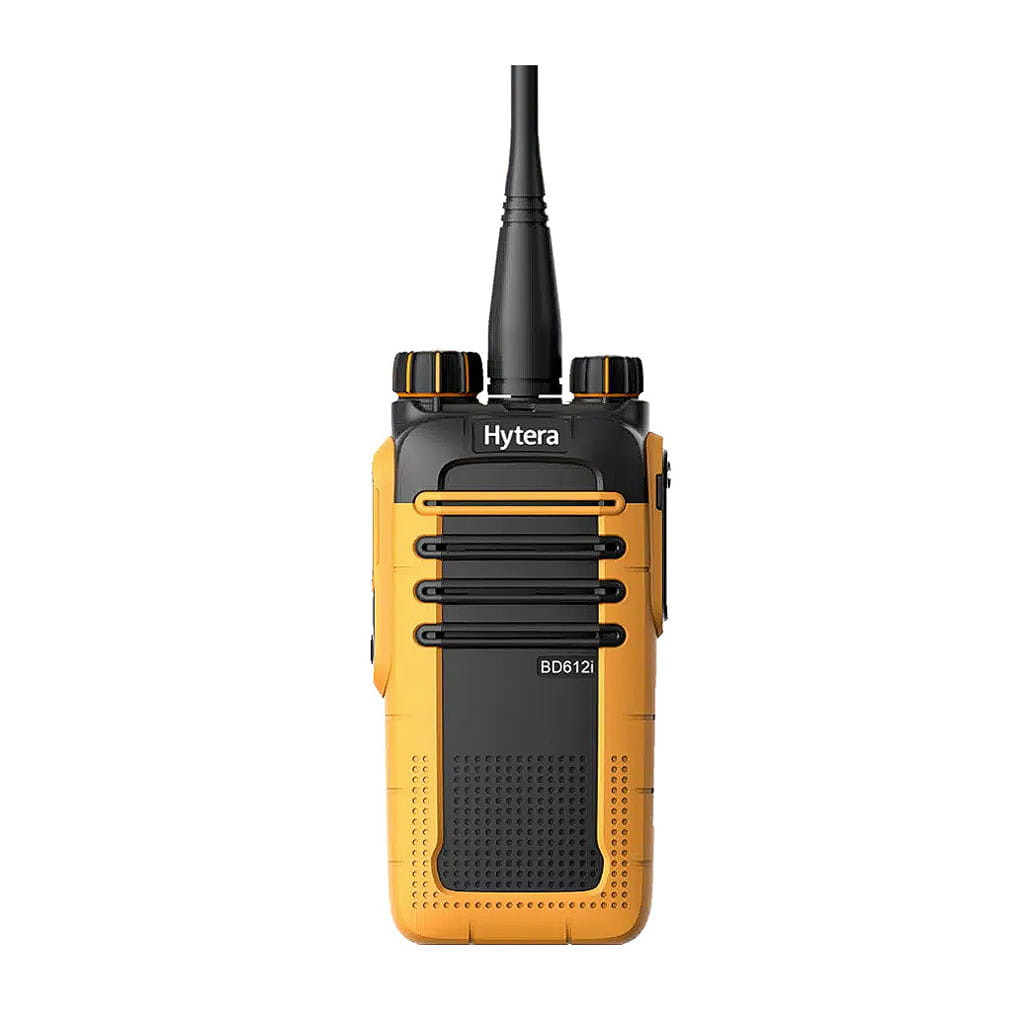
The BD612i VHF is a rugged DMR portable radio built for construction sites, outdoor yards, and large open-area operations where radios face rain, mud, pressure washing, and rough daily handling. IP66-rated — the highest environmental protection in the BD series — it withstands powerful water jets and complete dust ingress that would disable standard IP54-rated portables. At 5W across the 136–174 MHz band, it delivers maximum outdoor coverage across open terrain, large job sites, and spread-out facilities.

Authorized Dealer

Fast Nationwide Shipping

Technical Support & Programming

Bulk Pricing Available
 Documentation
Why Professionals Choose the Hytera BD612i (VHF)
The BD612i VHF is the digital successor to Hytera's TC610 — a radio that dominated construction and manufacturing because it worked in conditions where other radios failed. According to Hytera's official January 2023 product launch announcement, the TC610 "has a large market share in the construction and manufacturing industries due to its reliability, performance, and low cost," and the BD612i was designed to carry that field-proven legacy into DMR digital. Contractors who trusted TC610 units on job sites for years get the same durability profile — with the added advantages of digital audio clarity, extended battery life, and backward compatibility with the existing analog fleet.
At 5W VHF across the 136–174 MHz band, the BD612i VHF delivers the longest outdoor coverage of any radio in the BD series. VHF at this frequency range propagates farther over open terrain than UHF under equivalent power and conditions — the longer wavelength follows ground contours, clears low obstacles, and reaches across construction yards, parking structures, open-air job sites, and large campuses with fewer dead zones. For site supervisors coordinating crews across a multi-acre construction site, transportation dispatchers covering a vehicle yard, or groundskeeping teams managing outdoor facilities, VHF is the frequency band that experienced installers default to for outdoor open-area deployments.
The IP66 rating is what separates the BD612i from every other radio in the BD series. The BD302i, BD502i, and BD552i are rated IP54 — adequate for rain splashes and limited dust, but not for directed water contact or full dust exposure. IP66 means complete dust intrusion protection and resistance to powerful water jets at 100 kPa from any direction. On an active construction site, this matters every day: radios get rained on, caked with concrete dust, dropped in mud, and hosed down at the end of a shift. The BD612i handles all of it. Workers can rinse debris off the radio under running water without pulling the battery or covering the ports — a practical time saver on job sites where cleanup is part of the daily routine.
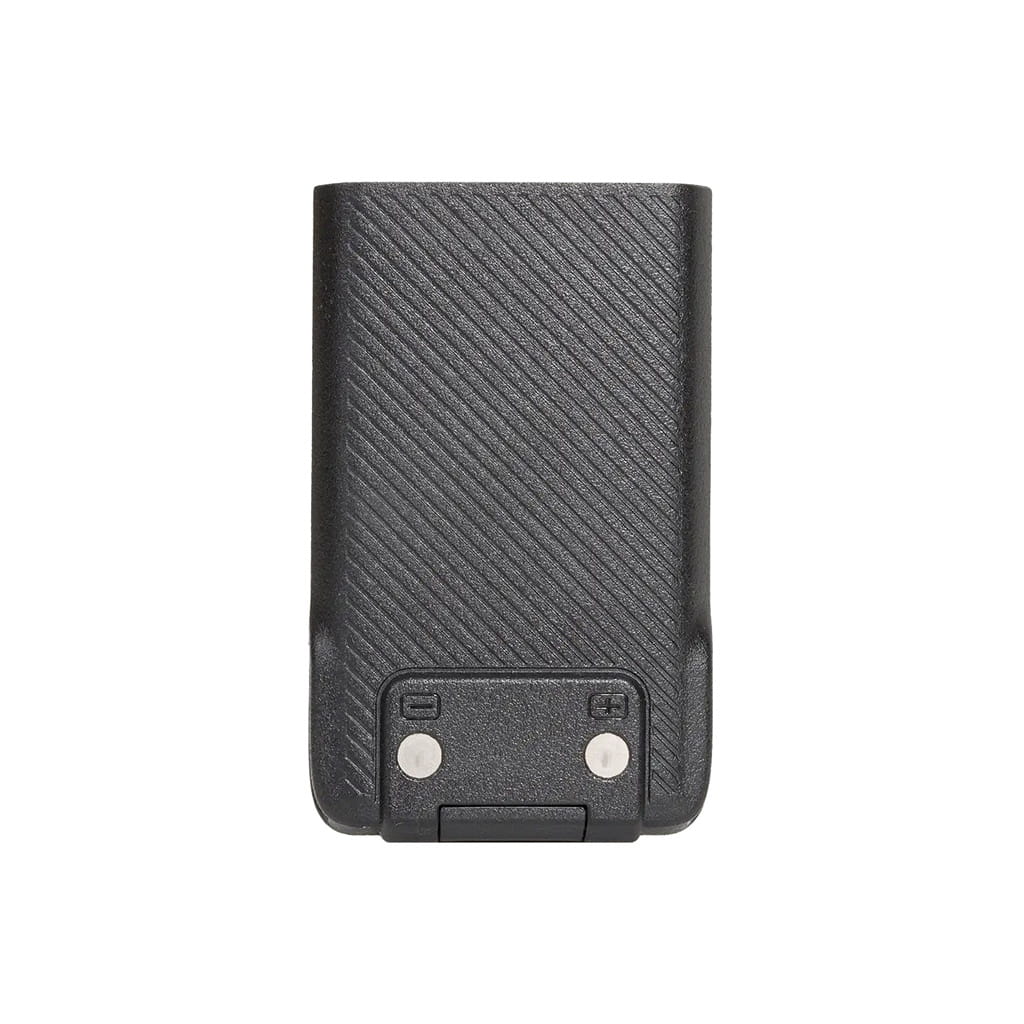
The 1500mAh Li-ion battery runs 16 hours in digital mode at a 5-5-90 duty cycle — enough for a full outdoor shift starting before dawn and running into evening. The optional 2000mAh battery pushes runtime to 22 hours in digital mode, which covers two-shift construction operations or transportation crews working extended schedules. Digital mode runs up to 40% longer than analog on the same battery capacity, which reduces battery swap requirements on sites where charging logistics are difficult.
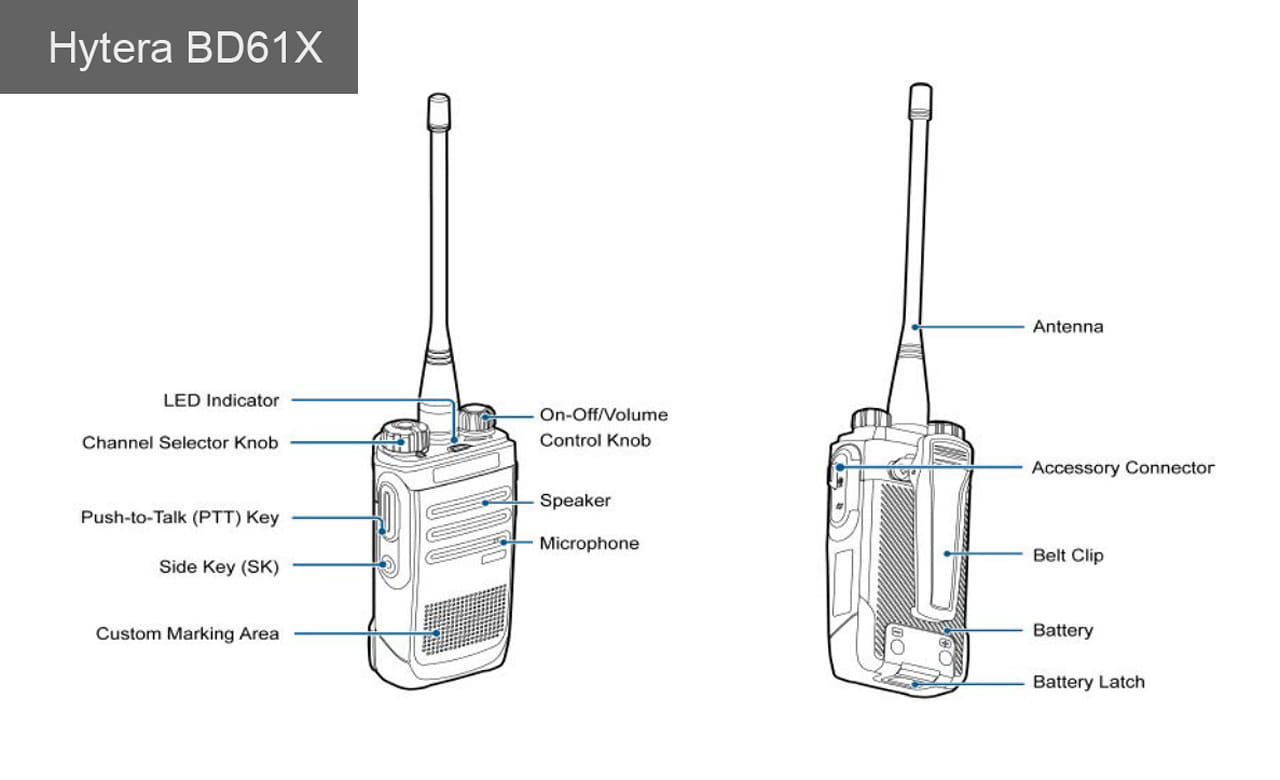
Tactile controls — channel knob, volume/power knob, PTT, and two programmable side buttons — allow full operation in heavy work gloves without looking at the radio. Workers operating near heavy machinery, driving equipment, or working at height need to key up, talk, and put the radio back without taking their attention off the task. The BD612i's control layout carries over the same straightforward design as the TC610, meaning crews familiar with TC610 controls operate the BD612i without retraining. The two programmable side buttons support emergency alarm activation: one press sends an immediate alert with the radio's ID to the dispatcher and designated units — critical for lone worker safety on construction sites where workers frequently operate outside direct line of sight.

Specification
General
| Frequency Range | VHF 136–174 MHz |
| Channel Capacity | 48 Channels (24 Analog, 24 Digital) |
| Zones | 3 Zones, 16 Channels per Zone |
| Channel Spacing | 25 / 12.5 kHz |
| Operating Voltage | 7.2V DC |
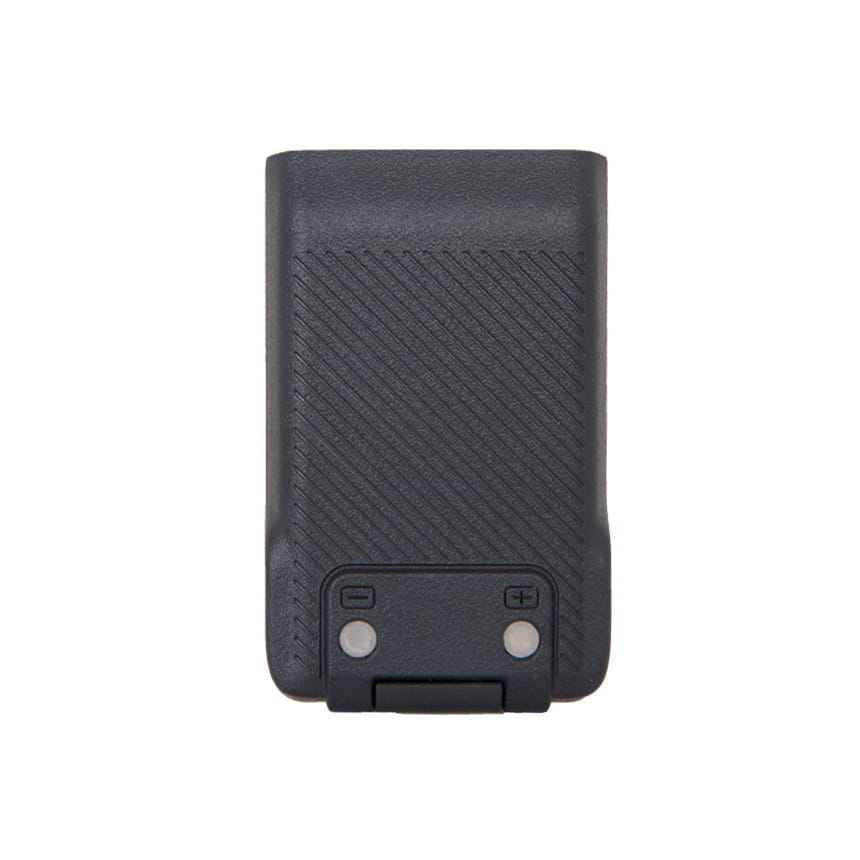
| Battery (standard) | 1500mAh Li-ion (BL1506) |
| Battery (optional) | 2000mAh Li-ion (BL2018) |
| Battery Life — digital (5-5-90) | 16h (1500mAh) / 22h (2000mAh) |
| Battery Life — analog (5-5-90) | 12h (1500mAh) / 16h (2000mAh) |
| Operating Temperature | −30°C to +60°C (−22°F to +140°F) |
| Antenna Impedance | 50 Ω |
| Dimensions (H/W/D) | 108 × 54 × 29 mm (4.25" × 2.12" × 1.14") |
| Weight with standard battery) | 240g (8.5 oz) |
| Display | None |
| IP Rating | IP66 |
| MIL-STD | 810 C/D/E/F/G |
Transmitter
| RF Power Output | 5W (High), 1W (Low) |
| Modulation (Digital) | 4FSK |
Receiver
| Sensitivity (Digital) | 0.22 µV (BER 5%) typical |
| Sensitivity (Analog) | 0.22 µV @ 12 dB SINAD typical / 0.4 µV @ 20 dB SINAD |
Compliance
| FCC Part 90 | Certified |
| IP66 | Confirmed — Hytera US Inc (hytera.us) |
| MIL-STD-810 C/D/E/F/G | Compliant (shock, vibration, temperature, humidity) |
| Drop Test | Meets MIL-STD-810-G requirements |
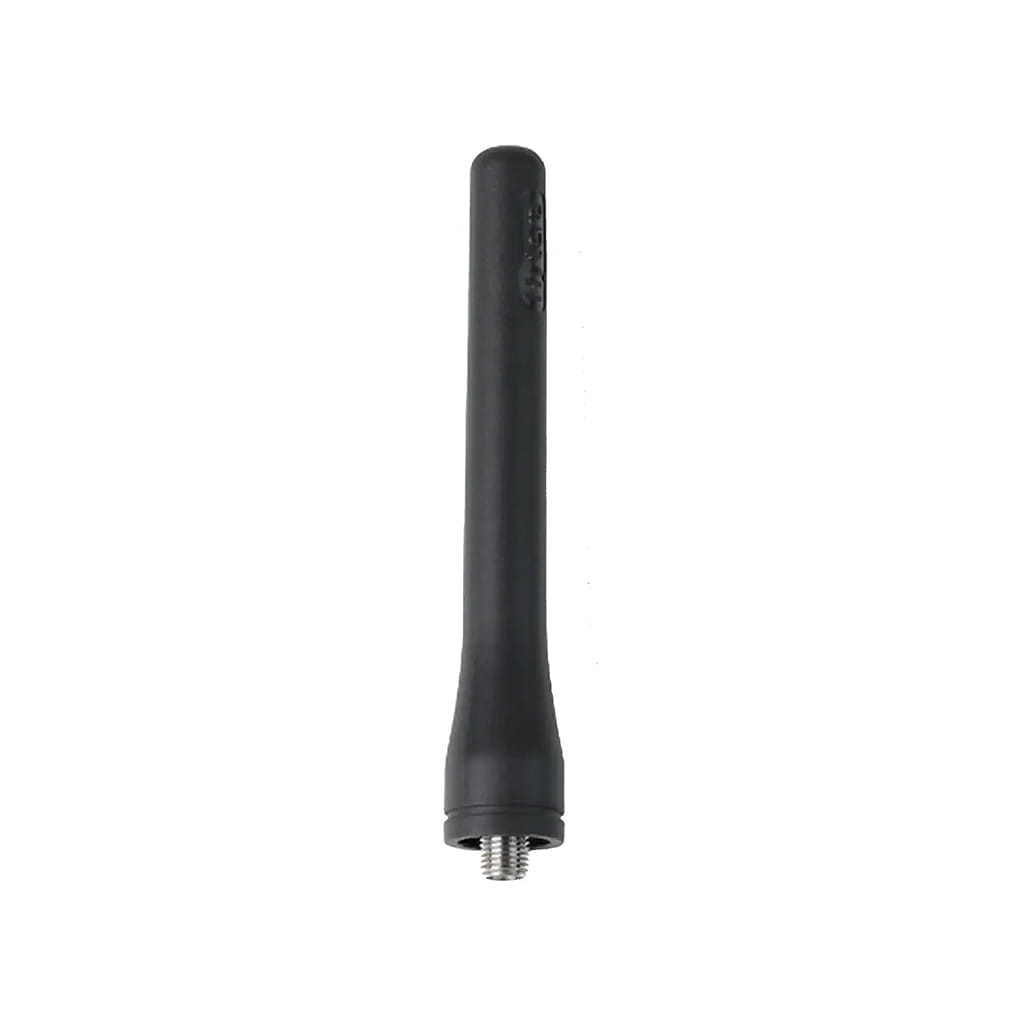
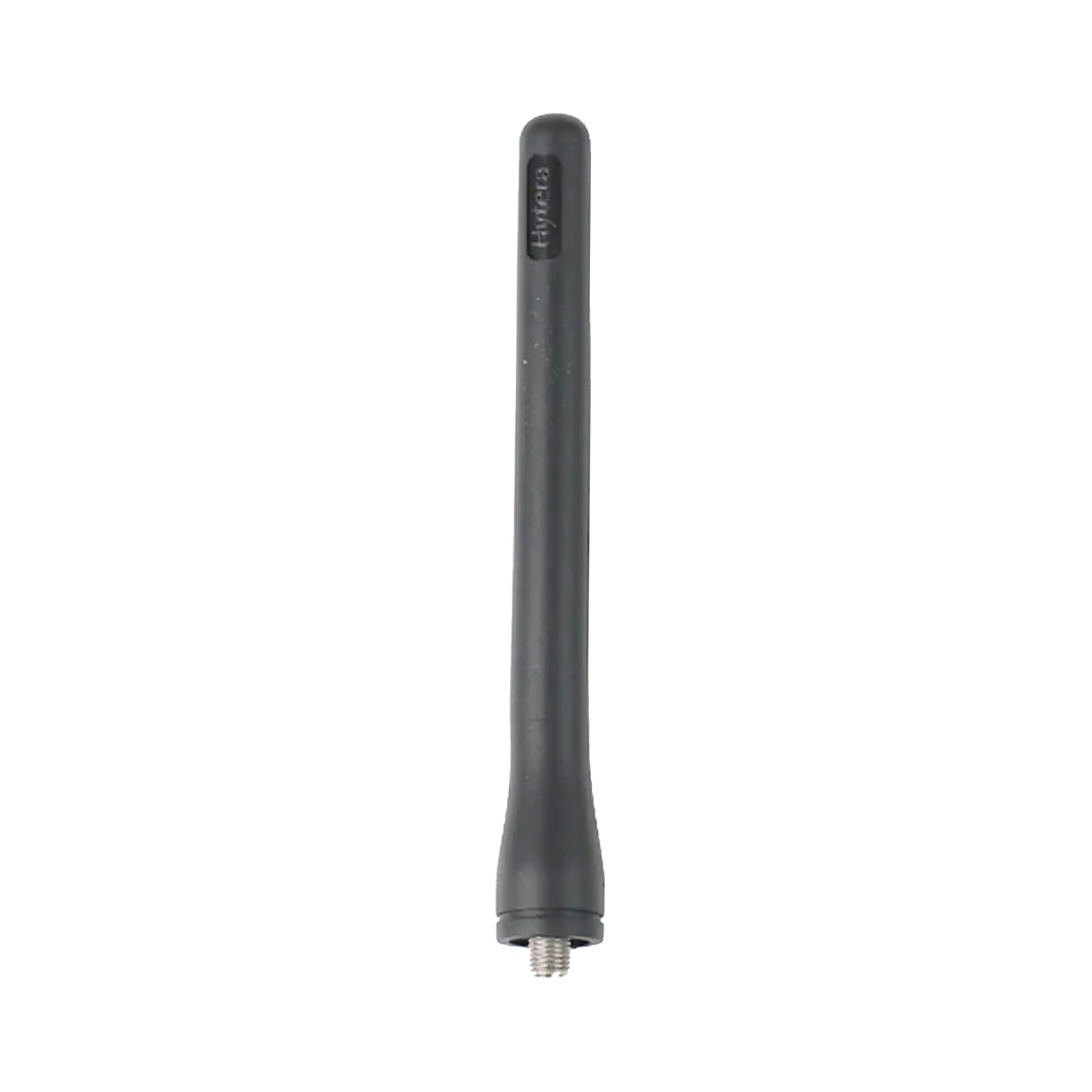
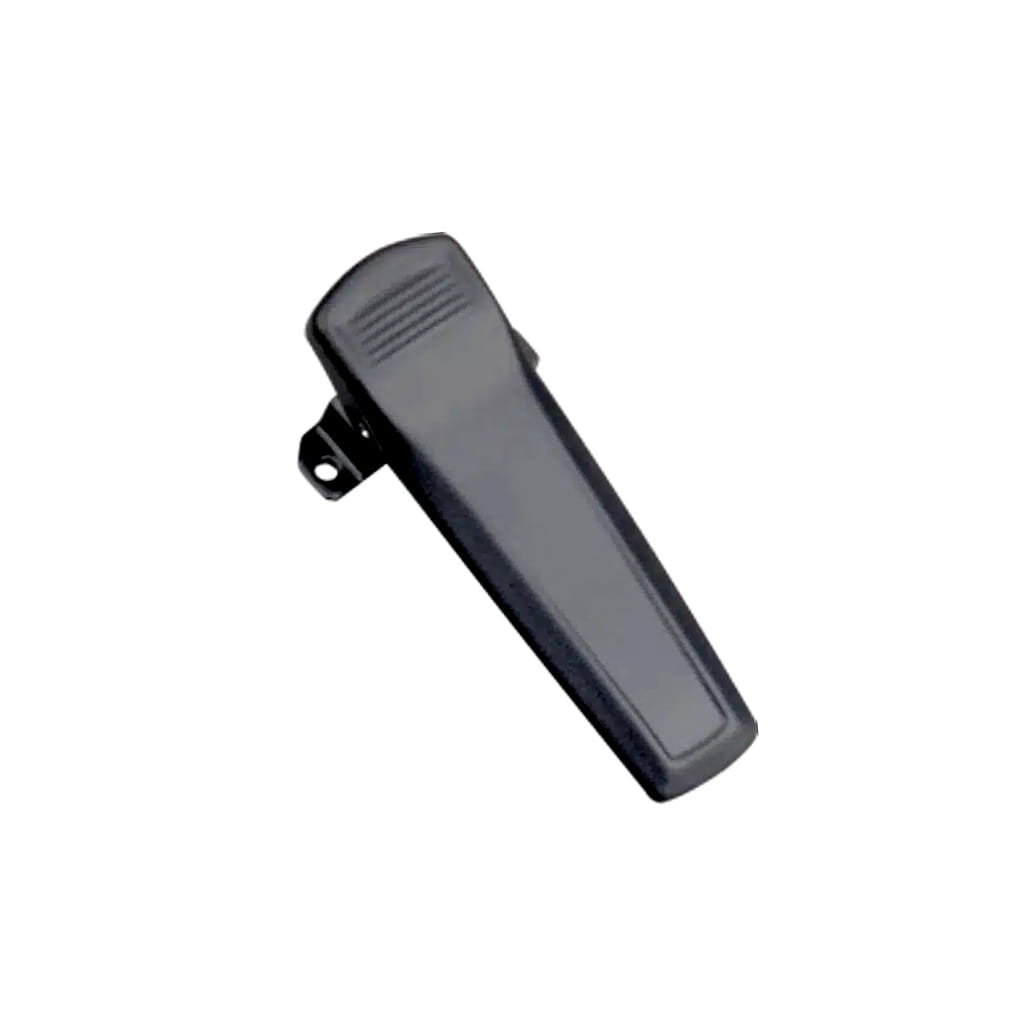
FCC Licensing and Compliance Support
Operation of the Hytera BD612i VHF on licensed frequencies in the United States requires an FCC Part 90 license. This applies to commercial and business radio use across construction sites, outdoor industrial operations, transportation yards, facilities management teams, and large campus operations on private licensed VHF frequencies in the 136–174 MHz band.
As an authorized Hytera dealer, AXDIGITAL LLC assists customers throughout the licensing process — from identifying the correct VHF frequencies for your site and existing TC610 fleet to preparing and submitting the FCC Part 90 application. VHF is the recommended band for outdoor open-area operations and low-density building environments. Our team advises on frequency selection based on terrain, site size, and existing equipment.
The BD612i-V1 is FCC Part 90 certified and complies with digital and analog modulation standards. For organizations operating across large outdoor sites or multiple spread-out facilities, we provide frequency coordination recommendations to prevent channel interference between departments or adjacent operations.
Contact us to discuss licensing requirements for your organization.
FAQ
What is the communication range of the BD612i VHF?
At 5W VHF, the BD612i covers approximately 3–5 miles in open terrain — farther than the UHF variant under equivalent open-area conditions. VHF at 136–174 MHz propagates effectively across open ground, construction yards, parking areas, and outdoor campuses with minimal obstruction. In low-density buildings, VHF performs well; in multi-floor concrete or steel-frame structures, UHF is the stronger choice. For sites with coverage gaps, the BD612i supports DMR Tier II repeater systems. Contact our team for a site-specific assessment.
Will the BD612i VHF work with our existing TC610 analog radios?
Yes. The BD612i was designed as the TC610's digital successor and operates in both analog and digital modes on the same hardware. Program it to match your TC610 VHF frequencies and CTCSS/DCS codes, and it communicates directly with your existing fleet. The radio detects incoming signal type automatically and switches between analog and digital modes accordingly. Organizations can retire TC610 units and replace them with BD612i-V1 radios incrementally — no simultaneous fleet replacement required.
What does IP66 mean in practice compared to IP54?
IP54 (BD302i, BD502i, BD552i) protects against water splashes from any direction and limited dust entry. IP66 (BD612i) means complete protection against dust intrusion and resistance to powerful directed water jets — equivalent to a pressure washer or hose at 100 kPa. On outdoor construction sites and job yards, this covers heavy rain, mud exposure, and end-of-shift washdowns. You can rinse the BD612i under running water to remove mud, concrete dust, or debris without removing the battery or sealing the ports.