Hytera AN0153H07 VHF Stout Long Antenna (147–160MHz)
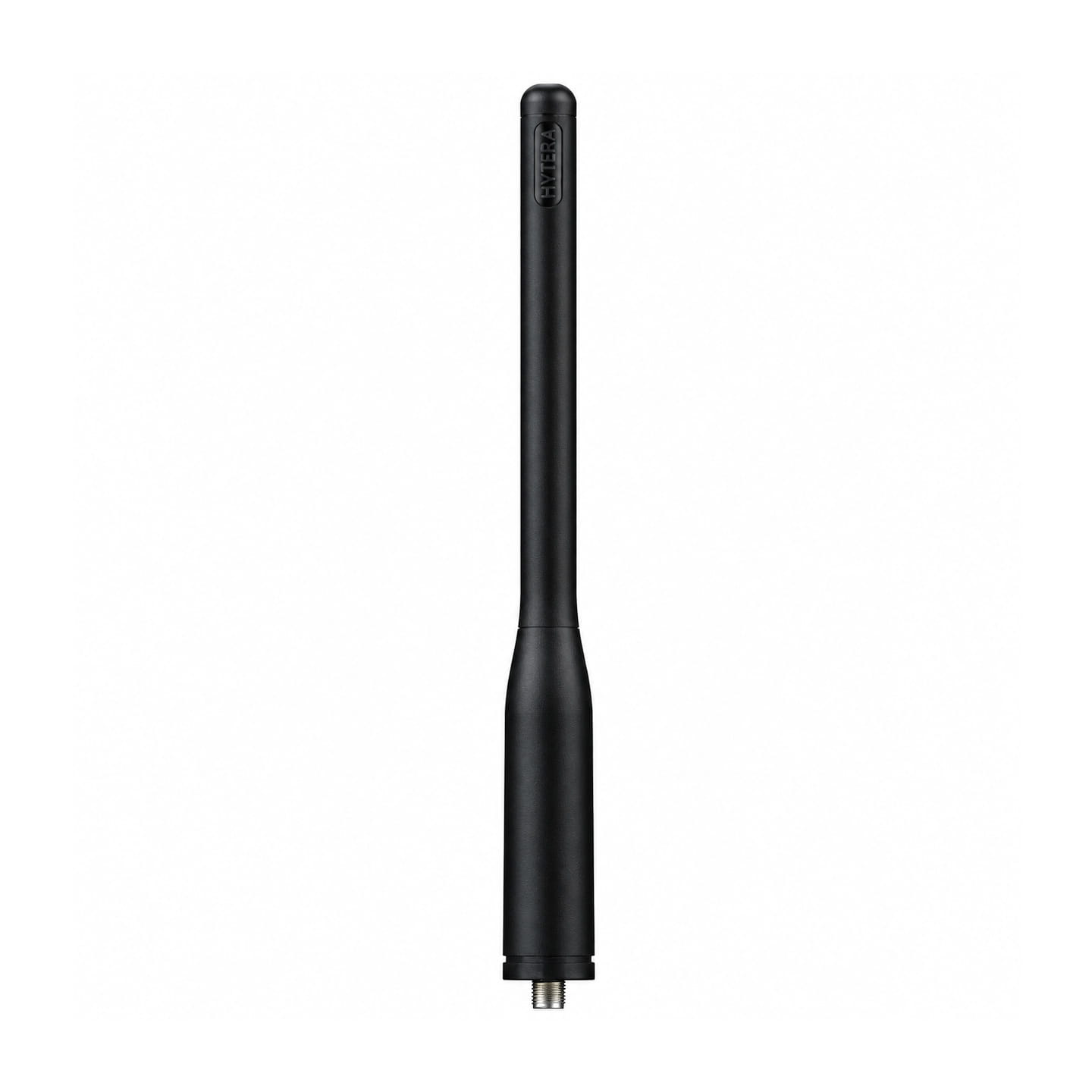
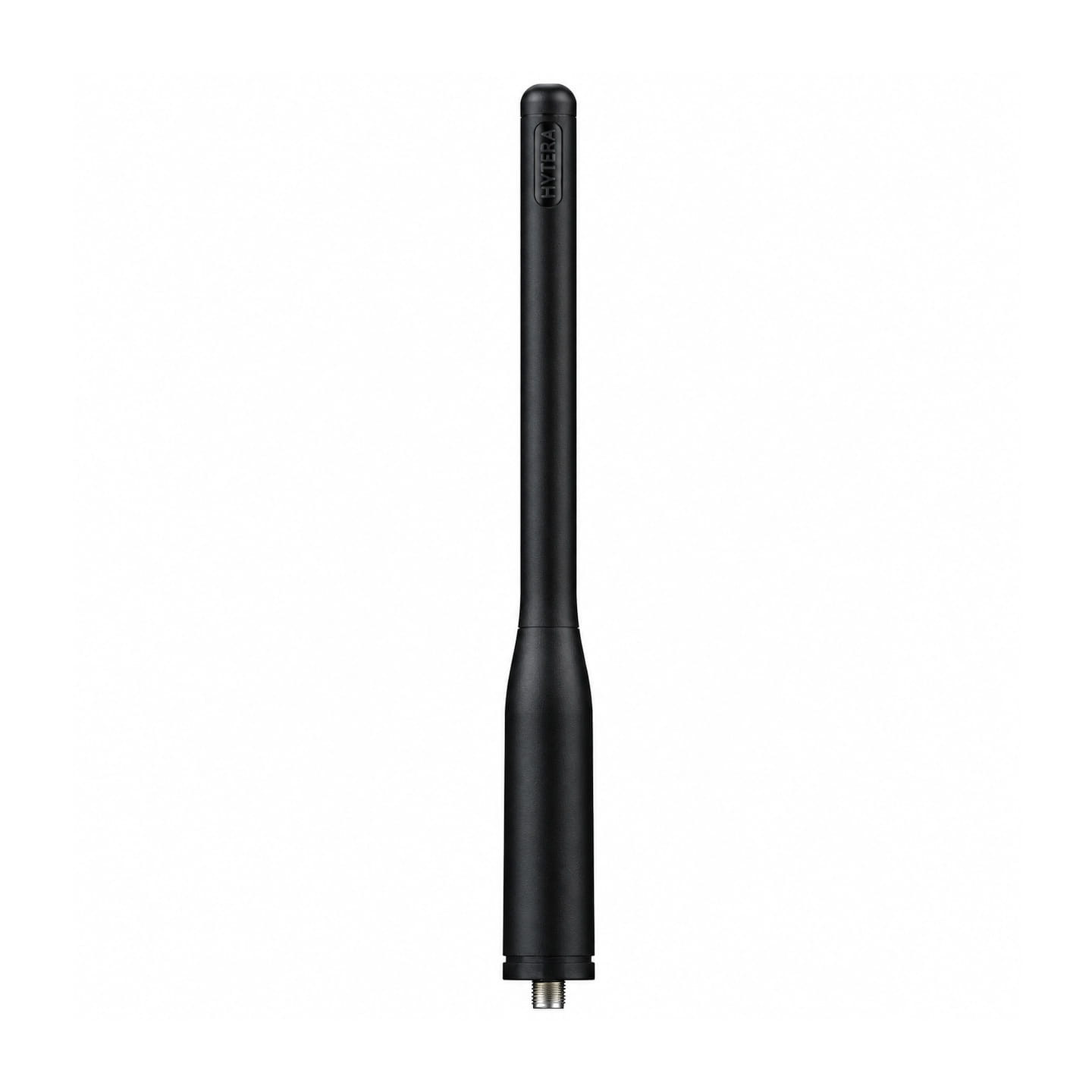
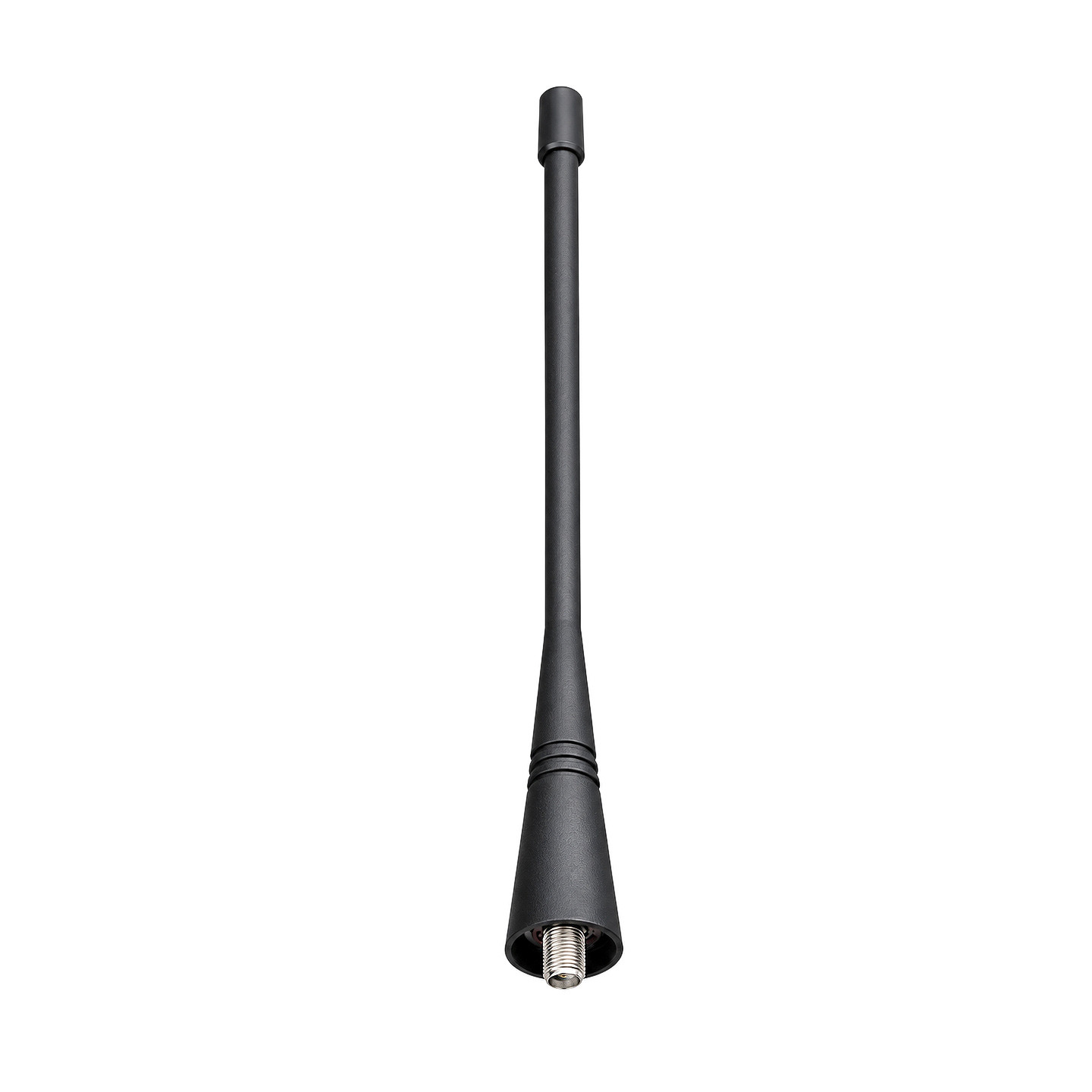
The AN0153H07 is an OEM extended, heavy-duty antenna. It is designed for use with Hytera DMR portable radios in the BD5, BD6, PD5, and PD4 series. The device operates in the mid VHF band (147–160 MHz), has an SMA connector, and is 17 cm long. This full-size antenna provides an extended communication range and has no built-in GPS module.

Authorized Dealer

Fast Nationwide Shipping

Technical Support & Programming

Bulk Pricing Available
Why Professionals Choose the Hytera Antenna AN0153H07
VHF radios are tuned to a specific part of the band, and the antenna must match it. The AN0153H07 is designed for the 147–160 MHz band (the mid VHF segment). With radios tuned to this band, it provides the required matching. Using an antenna designed for 160–174 MHz at 150 MHz raises the SWR and reduces the communication range.
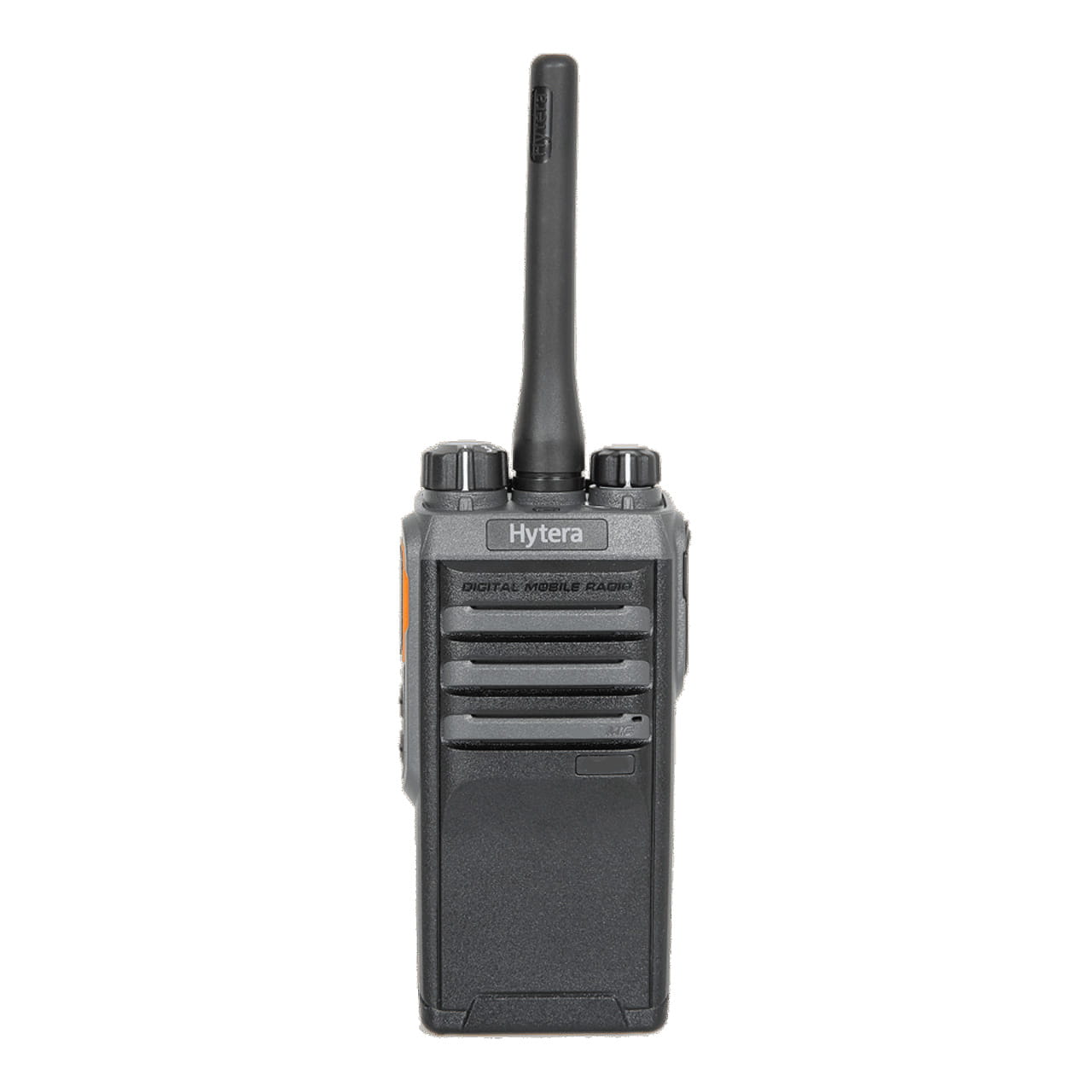
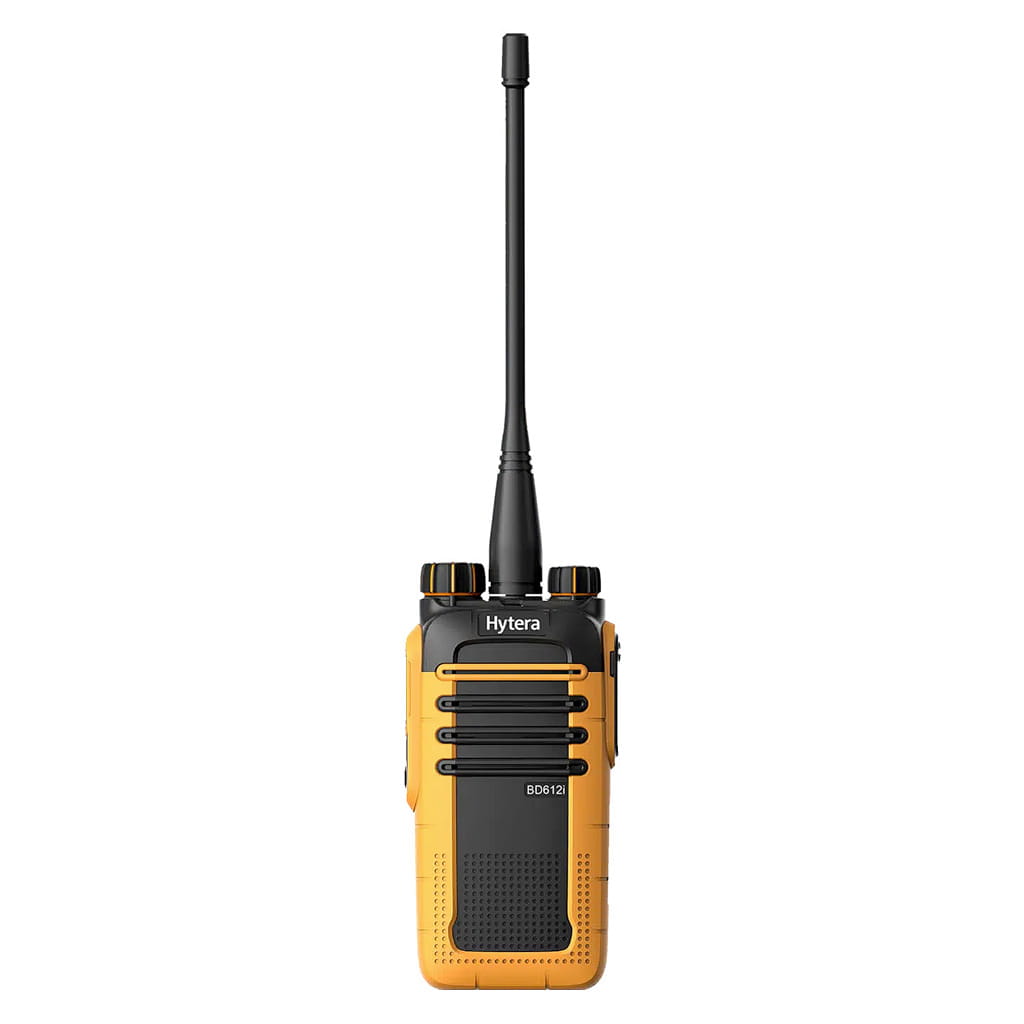
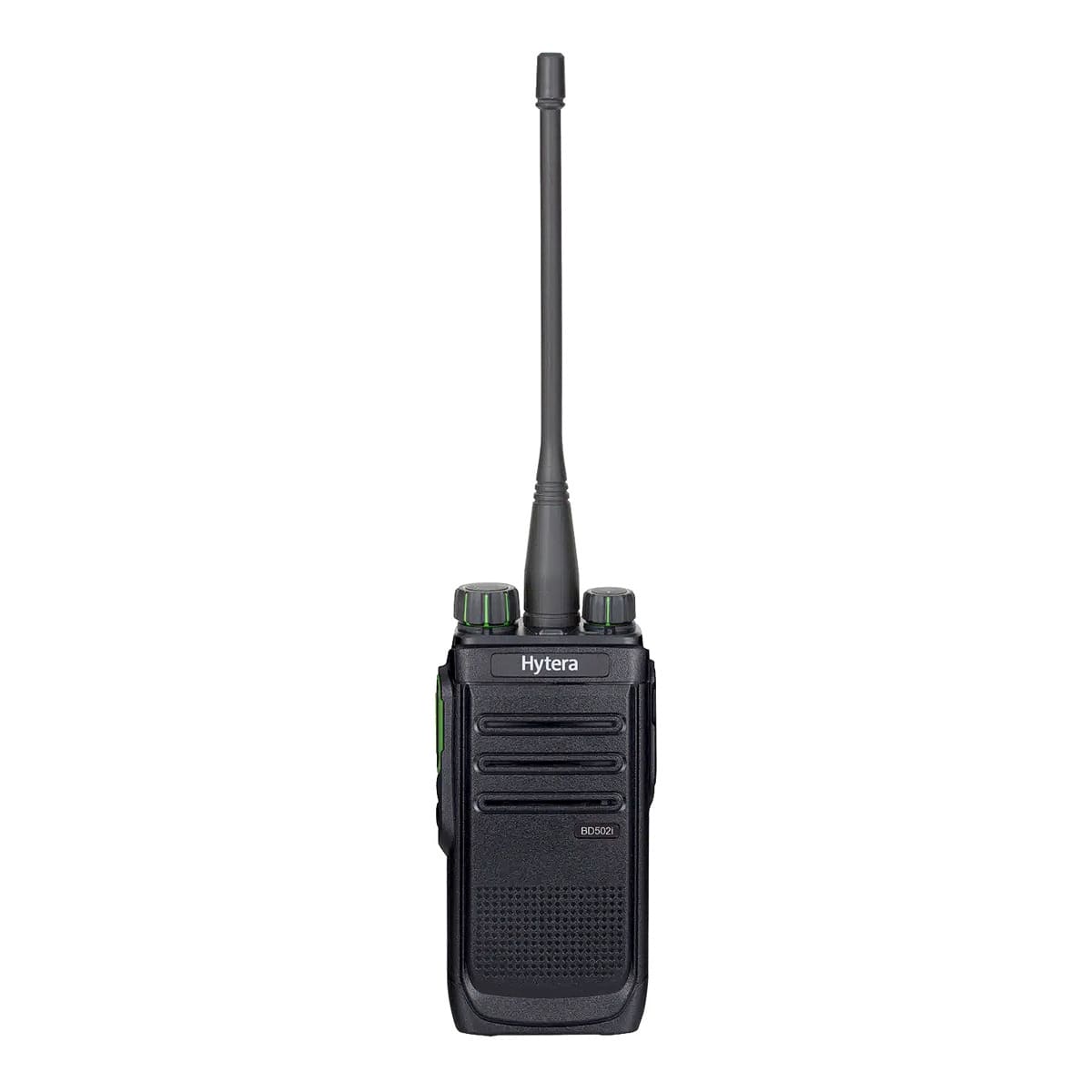
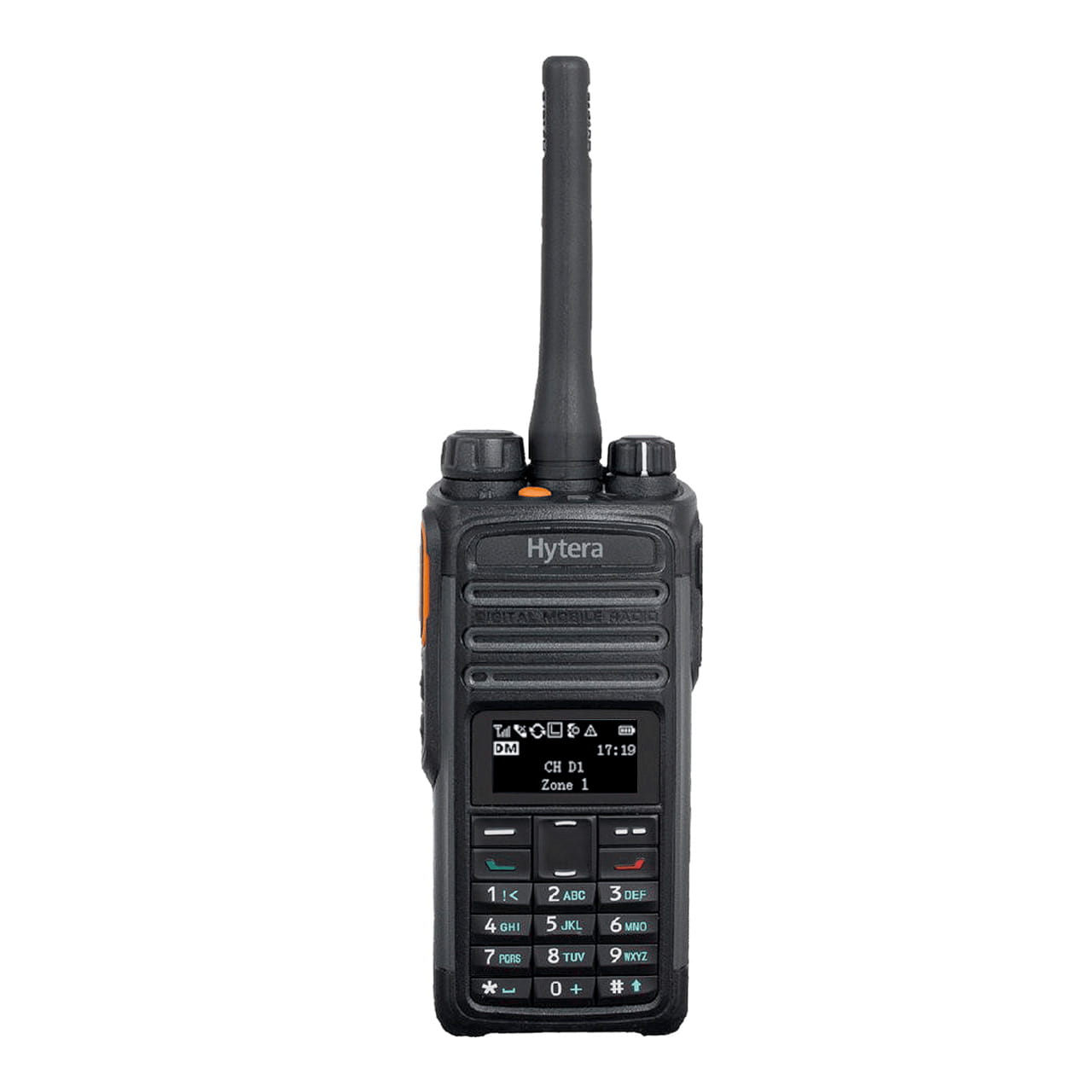
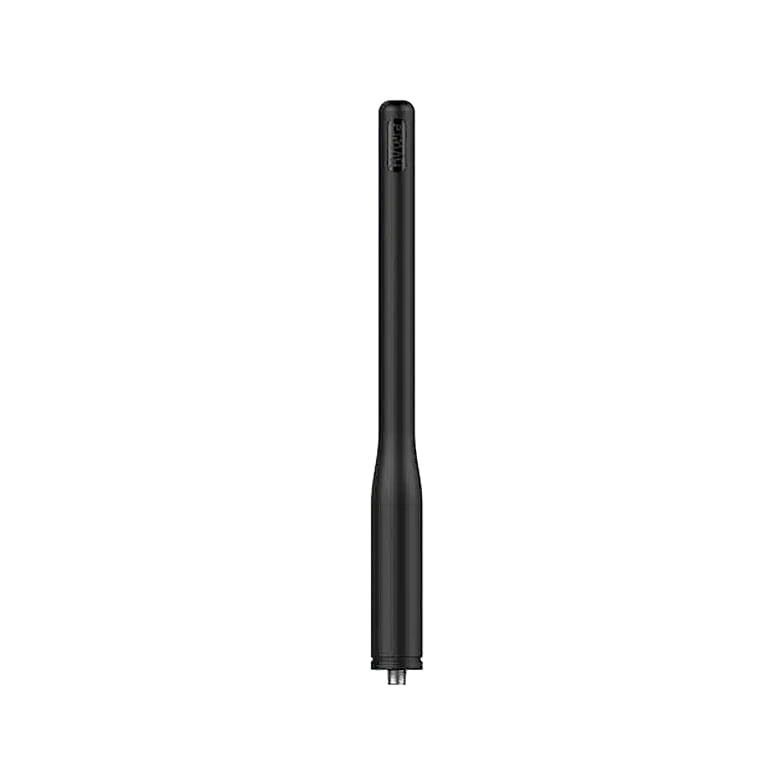
This is a whip-type antenna, 17 cm long, with an SMA connector for attachment to a portable radio. The AN0153H07 is designed to work with Hytera DMR radios in the BD5, BD6, PD5, and PD4 series, for example the BD502i, BD552i, PD402i, and a number of other models. It has no GPS module, which suits businesses and work groups that do not need location tracking. The AN0153H07 is tuned to the 147–160 MHz operating band, so with matching radios it delivers optimal performance right out of the box.
AXDIGITAL supplies the AN0153H07 as an authorized Hytera dealer.
Specification
Antenna — VHF Stout Long Antenna (147–160MHz) AN0153H07
| Frequency Range | 147–160 MHz |
| Band | VHF |
| Antenna Type | Stout long (whip) |
| Connector | SMA |
| Length | 17 cm (6.7 in) |
| GPS / GLONASS | No |
| Certification | RoHS |
| Logo | Hytera |
| Color | Black |
FAQ
Where are 147–160 MHz antennas typically used?
The 147–160 MHz range sits in the VHF high band, which carries further over open and rural ground than UHF. Radios in this range are common in outdoor, wide-area work: agriculture and forestry, construction and public works, transportation and logistics yards, utilities, and campus or event security. It suits low-density sites where range matters more than penetrating dense buildings.
Why use a narrow-band antenna instead of a wideband one?
A narrow-band antenna is tuned to one VHF segment, 147–160 MHz. Within that segment it holds a lower SWR and radiates more transmit power, which gives better range. A wideband antenna covers more of the band but is a compromise, with a looser match and lower efficiency at any frequency. Fit the sub-band antenna when the fleet runs inside 147–160 MHz; choose wideband only when channels span several VHF sub-ranges.