Hytera TC-508 UHF Analog Portable Handheld Two-Way Radio (450–470 MHz)
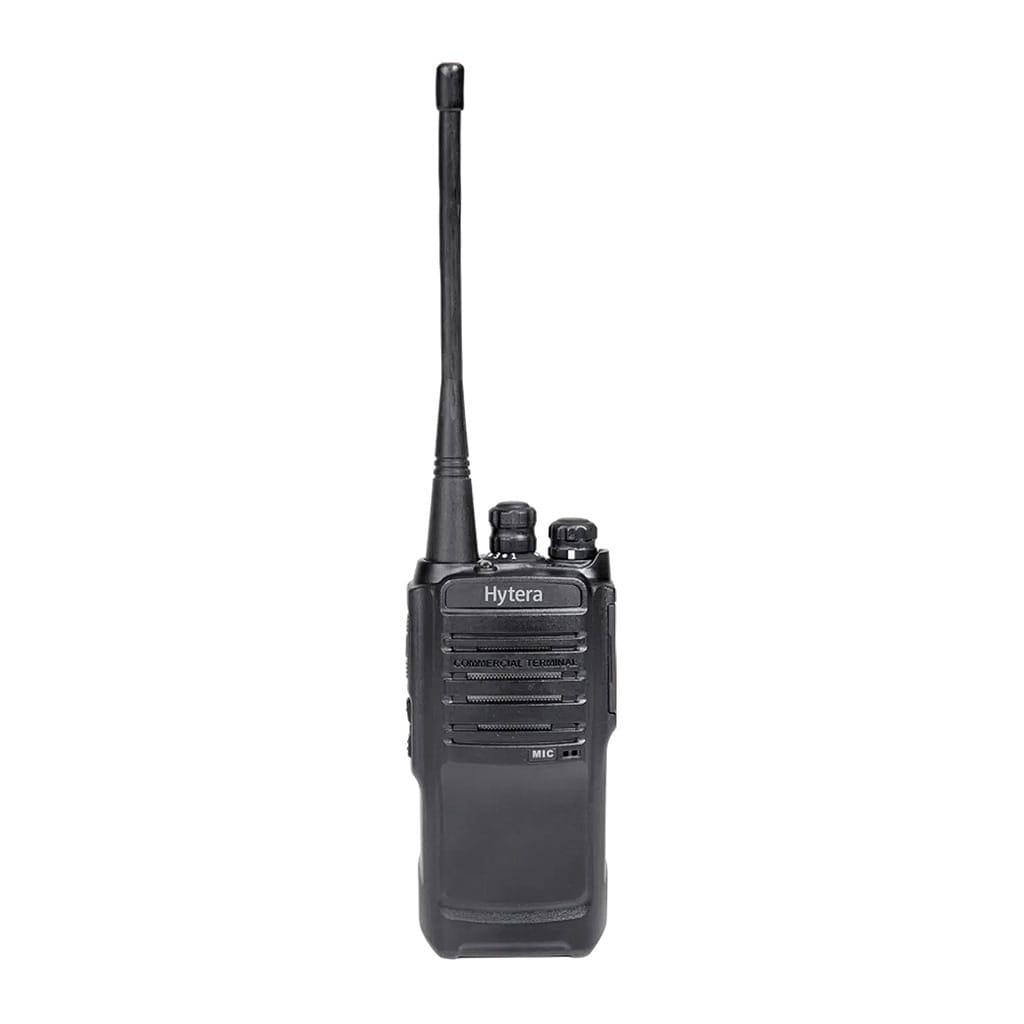
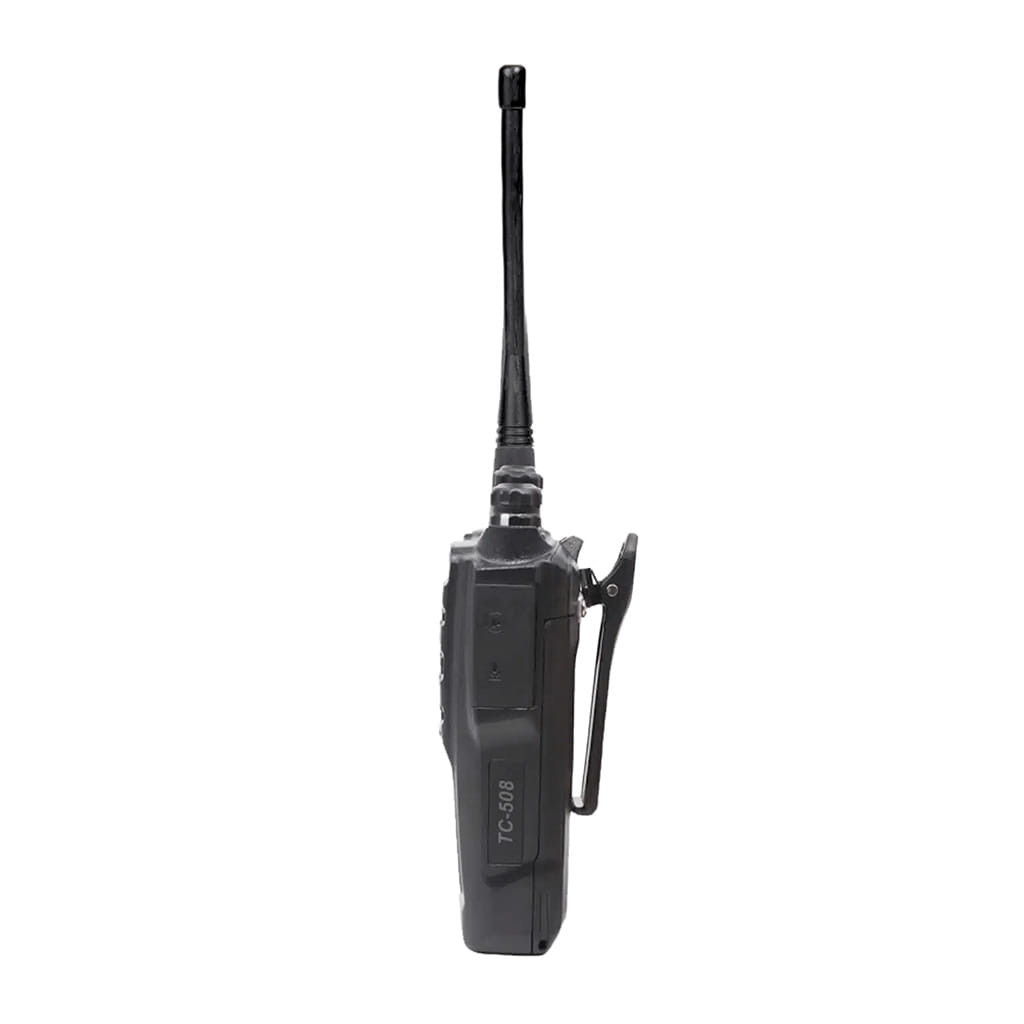
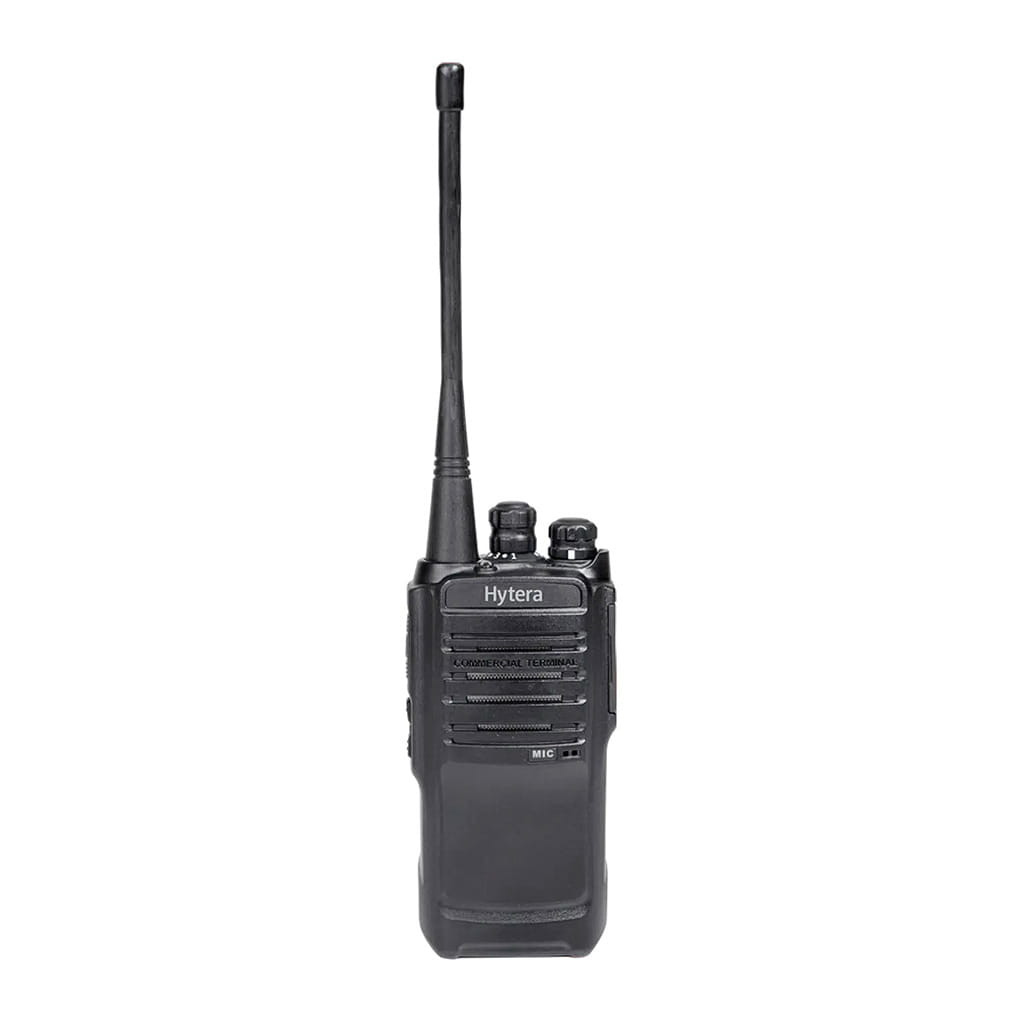
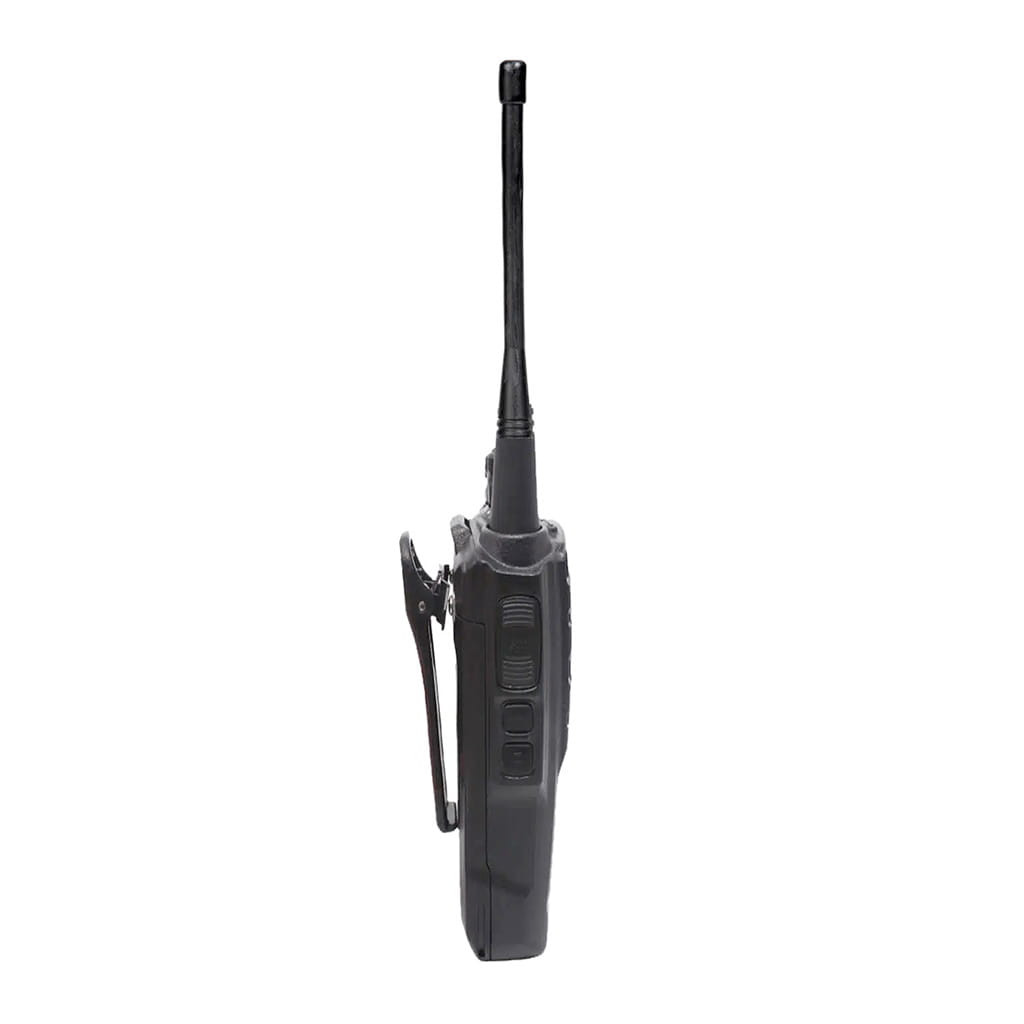
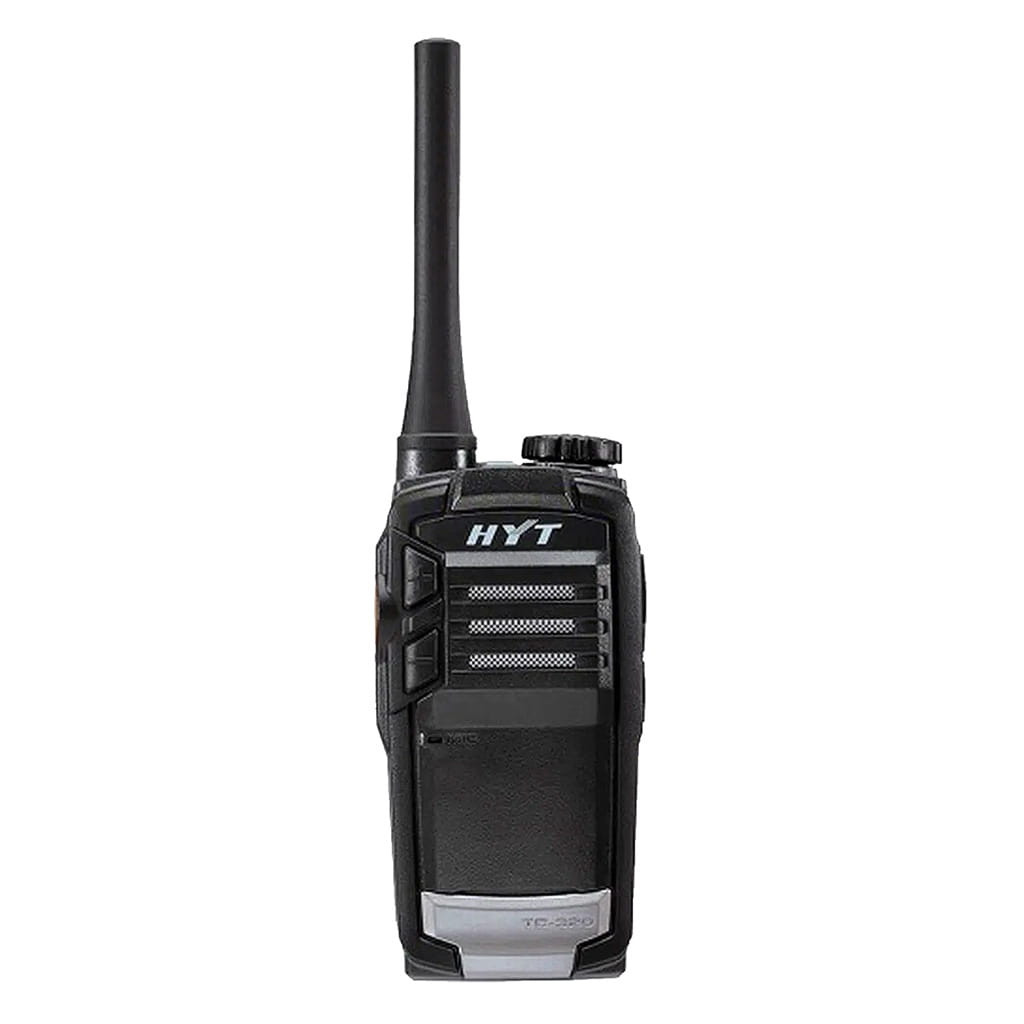
The Hytera TC-508 is a portable handheld two-way radio for the UHF 450–470 MHz band. It's an analog-only commercial radio with 16 channels, transmits at 4 watts (2 watts on low). The TC-508 can operate autonomously for up to 14 hours with the 1650 mAh lithium-ion battery connected. The body is rated IP54 and built to MIL-STD-810 C–G. Weighing approximately 280 g, the radio is easy to carry for extended periods. The TC-508U-1 model is designed for groups requiring a simple and reliable push-to-talk function.

Authorized Dealer

Fast Nationwide Shipping

Technical Support & Programming

Bulk Pricing Available
 Documentation
Why Professionals Choose the Hytera TC-508 UHF Portable Radio
The TC-508 is a portable handheld radio measuring 113 × 54 × 35 mm and weighing about 280 g (with battery and antenna). It’s so compact and lightweight that you can clip it to your belt and forget it’s there. The Hyt TC-508 doesn’t have a display; it has 16 channels that can be switched using the top control knob, a “push-to-talk” button — and that’s it. For employees who simply need to quickly contact a colleague, this simplicity is exactly what matters most.
The Hyt TC-508 is an exclusively analog radio. Analog keeps things simple and inexpensive, and it talks to any other analog radio or repeater on the same frequency and tone. For certain types of facilities — such as hotels, stores, manufacturing plants, and construction sites, where crews need only reliable “push-to-talk” communication, analog communication is generally sufficient.
This model’s UHF transmission power is 4 watts, with the option to switch to 2 watts. The UHF signal passes easily through interior walls and around buildings, making TC-508 convenient for use both inside and outside buildings. The 16 channels allow you to cover separate groups or zones. The ability to configure wide and narrow bandwidths, as well as CTCSS/CDCSS tones, prevents cross-listening between these groups.
The 1,650 mAh lithium-ion battery provides approximately 14 hours of operation under standard “5-5-90” operating conditions. The device has an IP54 rating and meets the requirements of MIL-STD-810 (C through G). Thanks to these features, the radio is resistant to dust and light rain, and can withstand drops typical of everyday commercial use within a temperature range of −20 °C to +65 °C.
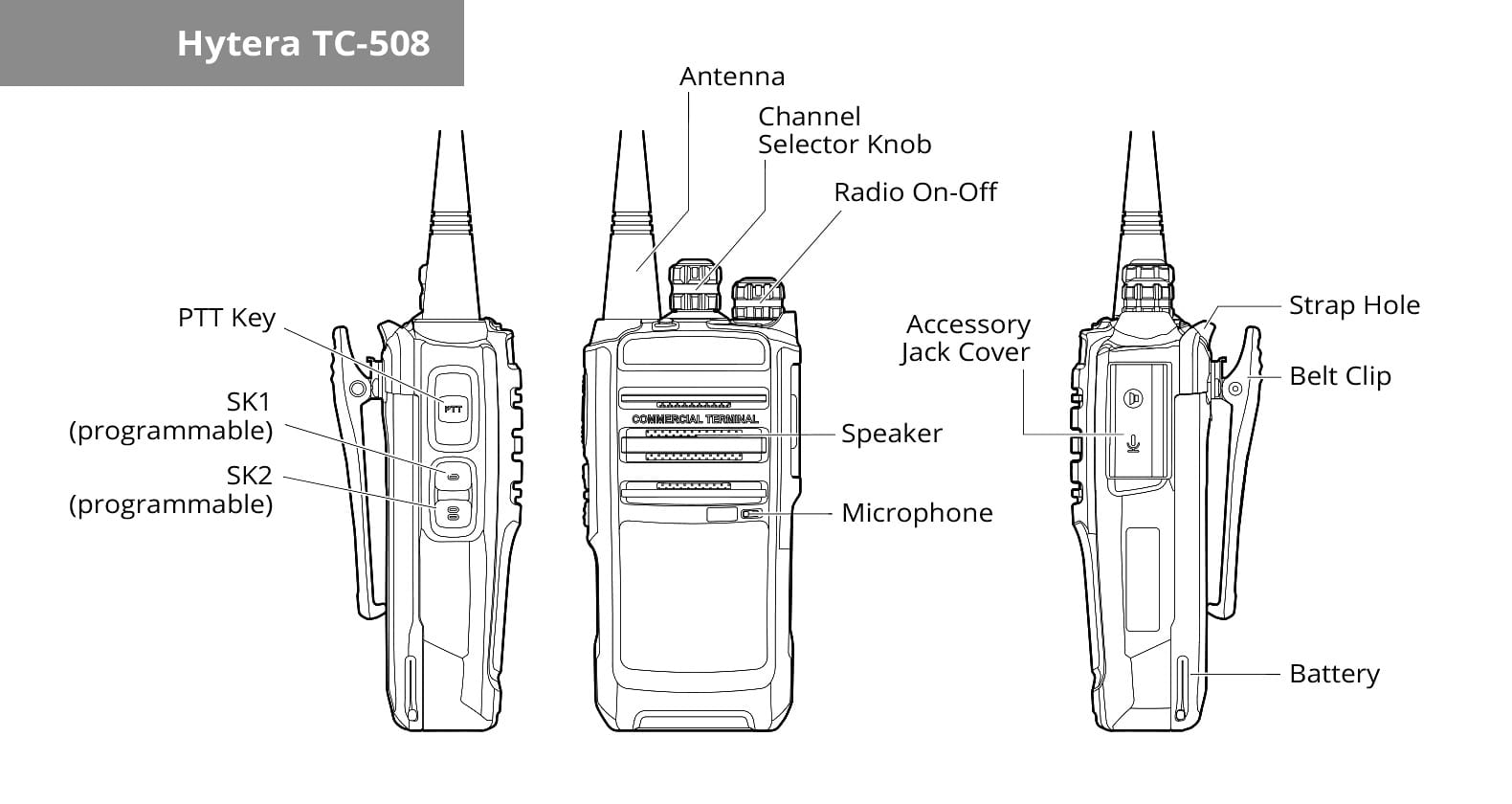
This portable radio offers a range of additional practical features:
- channel scanning,
- busy channel blocking,
- sleep timer,
- residual noise suppression after the squelch is disengaged,
- battery-saving mode,
- low battery alert,
- VOX function for hands-free communication.
As a mobile, land-based commercial radio, the Hyt TC-508 is subject to Part 90 of the FCC rules. This means that a Part 90 license is required to use the TC-508U-1 model on service frequencies, and AXDIGITAL can assist with obtaining this license.
Best-Fit Industries for the TC-508
The TC-508 is a simple, rugged, single-site analog radio, and UHF works well indoors. Based on Hytera's recommended applications, it fits best in:
- Hospitality — front desk, housekeeping, and maintenance coordinating across a hotel or venue.
- Retail — floor staff, stockroom, and loss prevention in stores and shopping centers.
- Manufacturing — line staff and supervisors on the plant floor, where UHF handles indoor walls.
- Education & Schools — campus facilities, custodial teams, and event coordination.
- Construction — crews on a job site needing rugged, no-fuss push-to-talk.
- Security — guards and patrol staff across a building or property.

Specification
General
| Frequency Range | UHF 450–470 MHz |
| Channel Capacity | 16 channels |
| Channel Spacing | 25 / 12.5 kHz |
| Operating Voltage | 7.4 V DC |
| Battery | 1650 mAh Li-Ion (BL1719) |
| Battery Life (5-5-90 duty cycle) | Up to 14 hours |
| Frequency Stability | ±2.5 ppm |
| Antenna Impedance | 50Ω |
| Dimensions (H×W×D, with battery, without antenna) | 113 × 54 × 35 mm |
| Weight (with antenna & battery) | 280 g |
Transmitter
| RF Power Output | 4 W / 2 W (UHF) |
| Modulation | 16K0F3E (25 kHz) / 11K0F3E (12.5 kHz) |
| Modulation Limiting | ≤ ±5 kHz (25 kHz) / ≤ ±2.5 kHz (12.5 kHz) |
Receiver
| Sensitivity | ≤ 0.25 µV / 0.28 µV |
| Adjacent Channel Selectivity | 65 dB / 55 dB |
| Intermodulation | 60 dB |
Compliance
| FCC Certification | FCC Part 90 (Land Mobile, analog) |
| MIL-STD | MIL-STD-810 C / D / E / F / G |
| Ingress Protection | IP54 |
| Operating Temperature | −20 °C to +65 °C (−4 °F to +149 °F) |
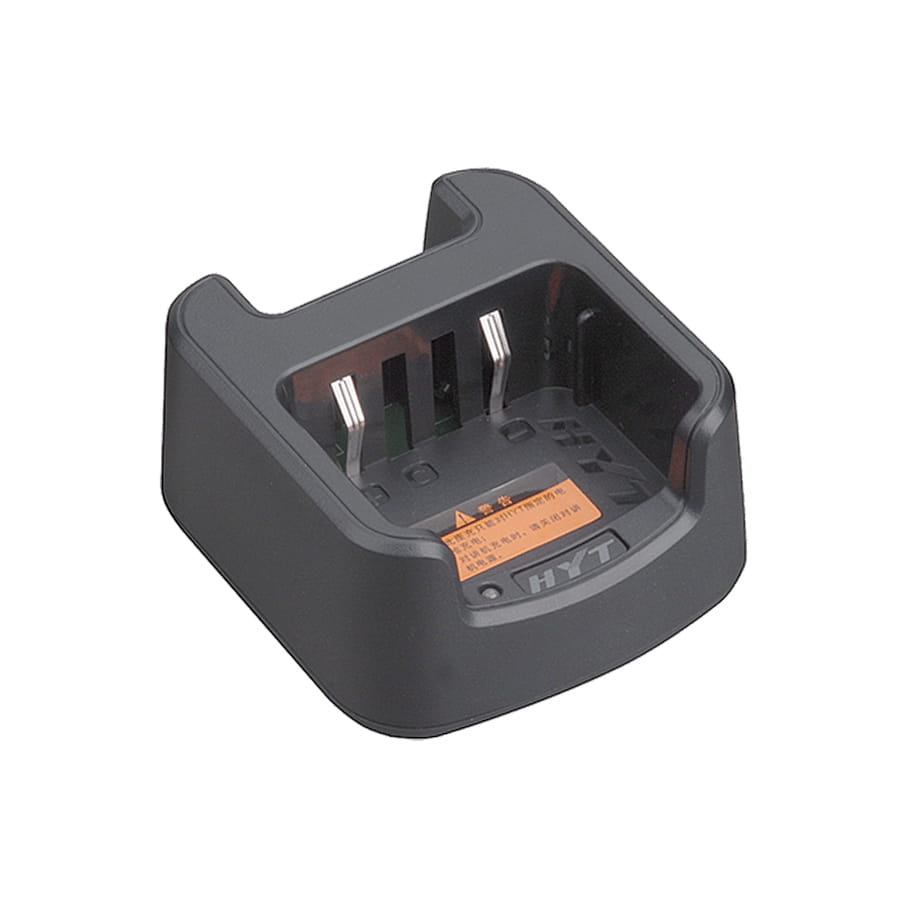
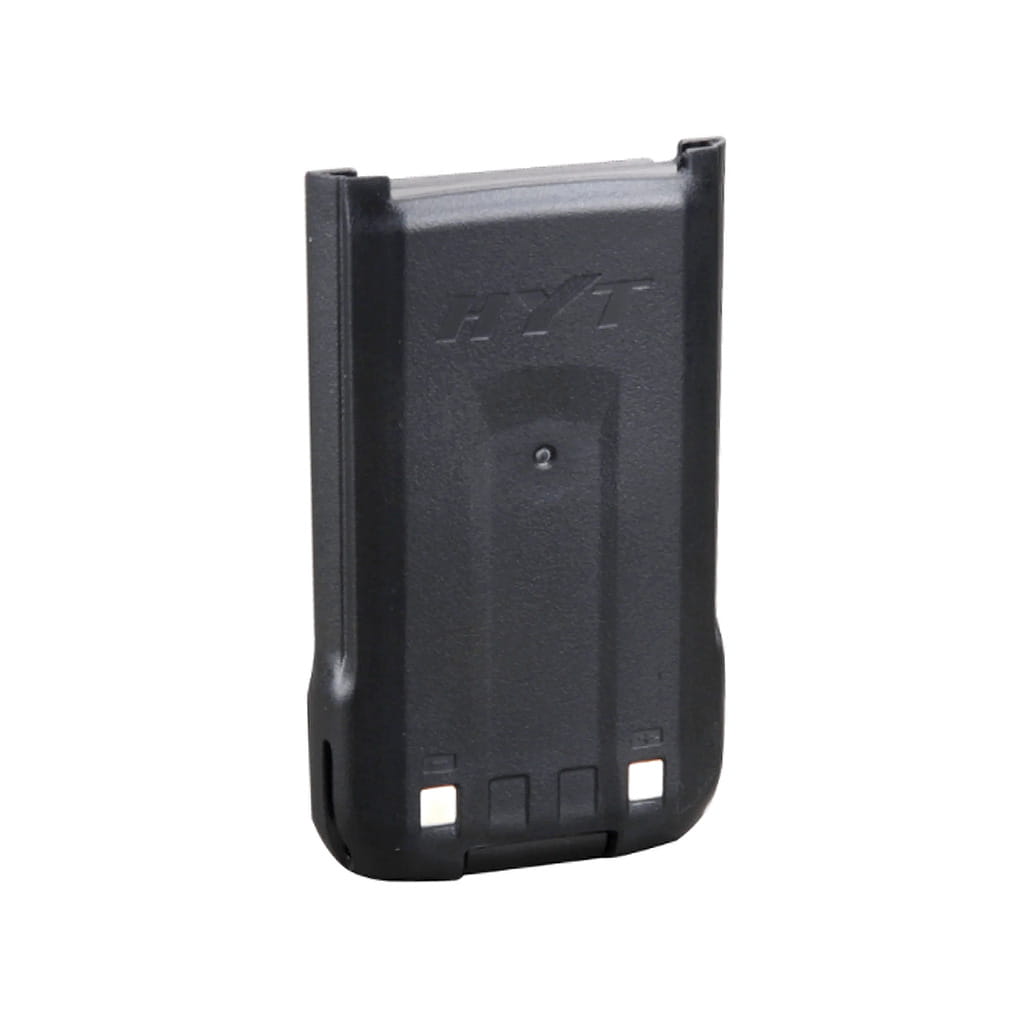
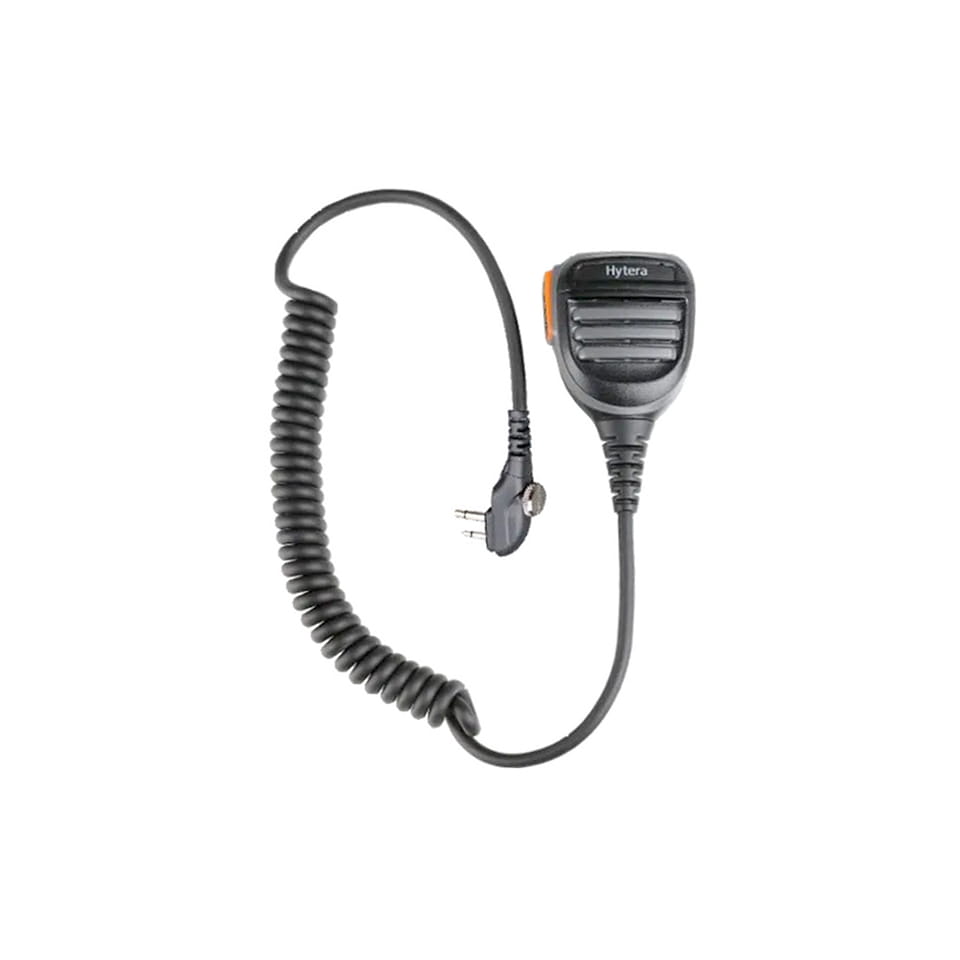
FCC Licensing and Compliance Support
Operating the TC-508 on business or industrial frequencies in the United States requires an FCC license under Part 90 (the Land Mobile Radio Service). The license is tied to your organization and the specific frequencies you're authorized to use, not to the individual radio. The TC-508 is a commercial Part 90 radio — it is not an FRS/GMRS consumer walkie-talkie.
Before transmitting, an FCC-certified frequency coordinator assigns frequencies suited to your location and operation, which helps avoid interference with other licensed users nearby. Most business and industrial uses — hospitality, retail, manufacturing, education, construction, and security — fall under Part 90.
As an authorized Hytera dealer, AXDIGITAL supplies the TC-508U-1 and helps customers understand Part 90 licensing and frequency coordination. We program each radio to your licensed frequencies, CTCSS/CDCSS tones, and channel plan before shipping, so units arrive ready to use.
Contact our team to confirm licensing and coordination requirements for your site.
FAQ
Can the TC-508 talk to radios we already use?
Yes, if they're analog and on the same UHF frequencies. Three things have to match: the channel frequencies, the CTCSS/CDCSS tones, and the bandwidth (wide 25 kHz or narrow 12.5 kHz). Send us the settings from one of your existing radios and we'll program the TC-508s to match before shipping.
A short antenna or a long rod — which is better to order for the TS-508?
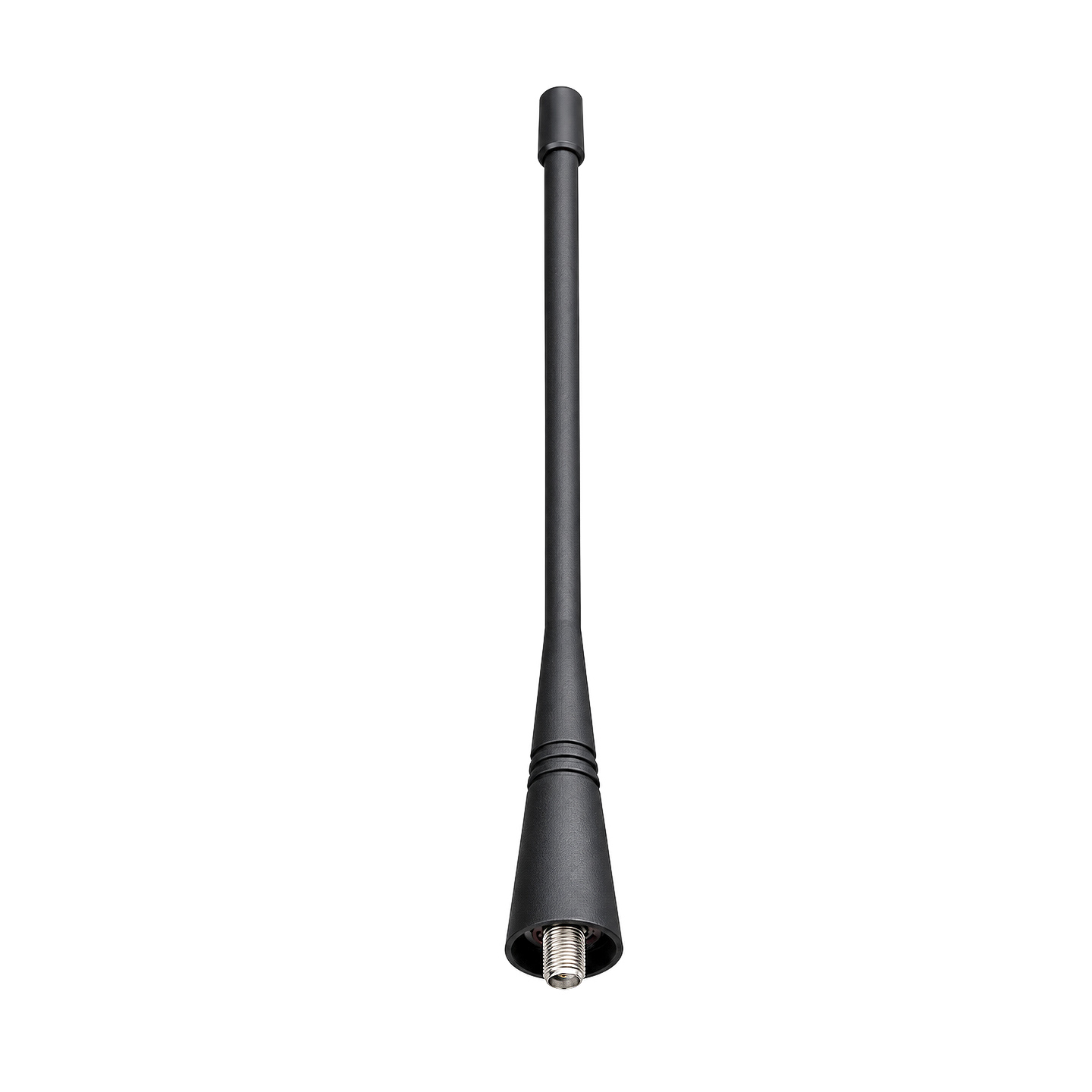
If staff work mostly indoors or at close range, the short stubby is comfortable on a belt and snags less on doorways and gear. If you need a bit more range across a larger property or outdoors, keep the standard 6.2-inch whip. When in doubt, the whip is the safer default.